What Makes AI Tools Short-Form Videos Go Viral
The AI tools niche is one of the most competitive and fastest-moving categories in short-form video, yet a clear set of repeatable patterns separates massive outliers from average performers. Creators who win here combine urgency-driven hooks, authoritative list formats, and a strong utility promise that makes viewers feel they are falling behind if they scroll past. The content rewards specificity, so naming actual tools and actual tasks consistently outperforms vague "AI is amazing" framing.
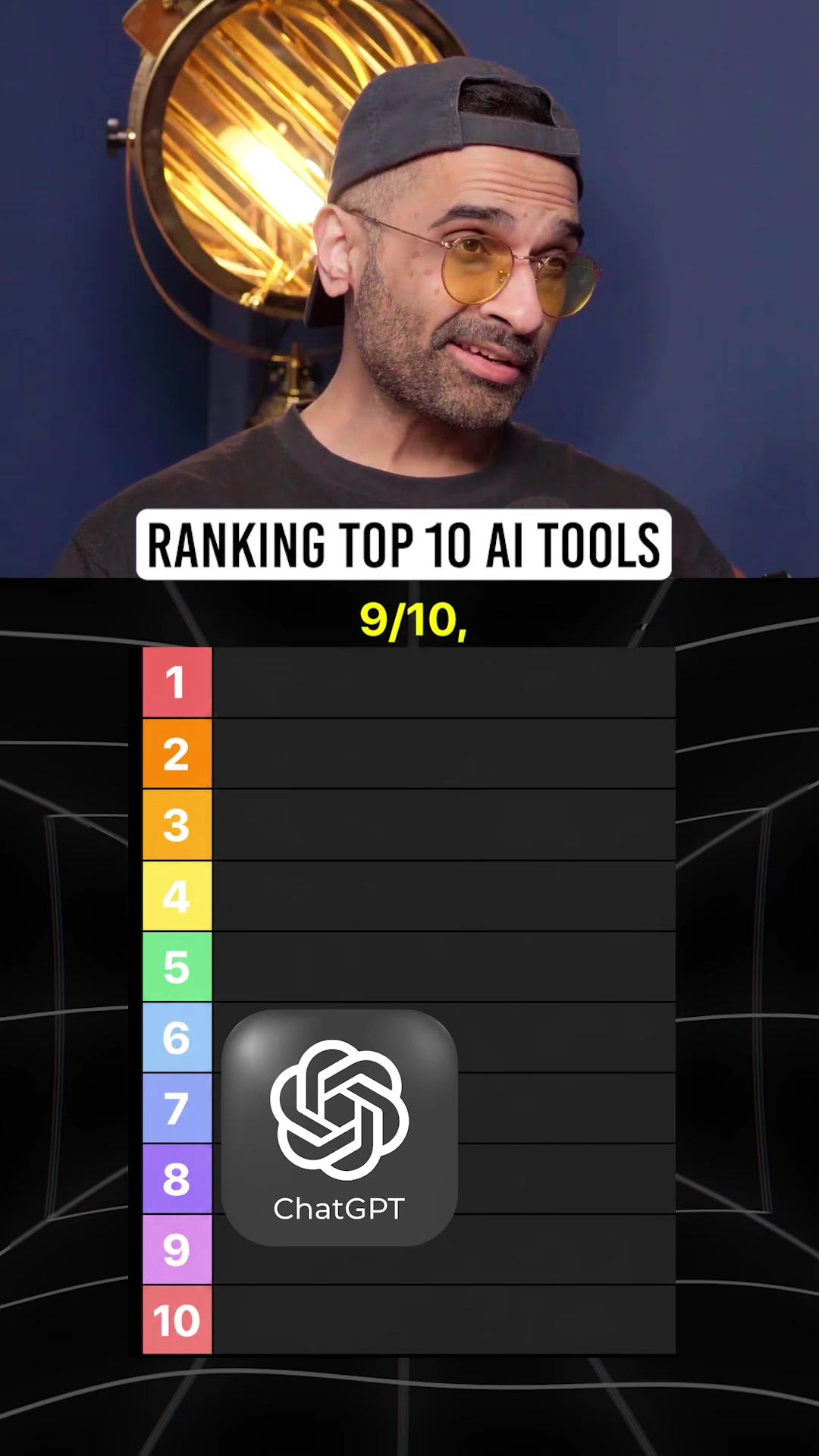
The Tier List and Ranking Format Dominates
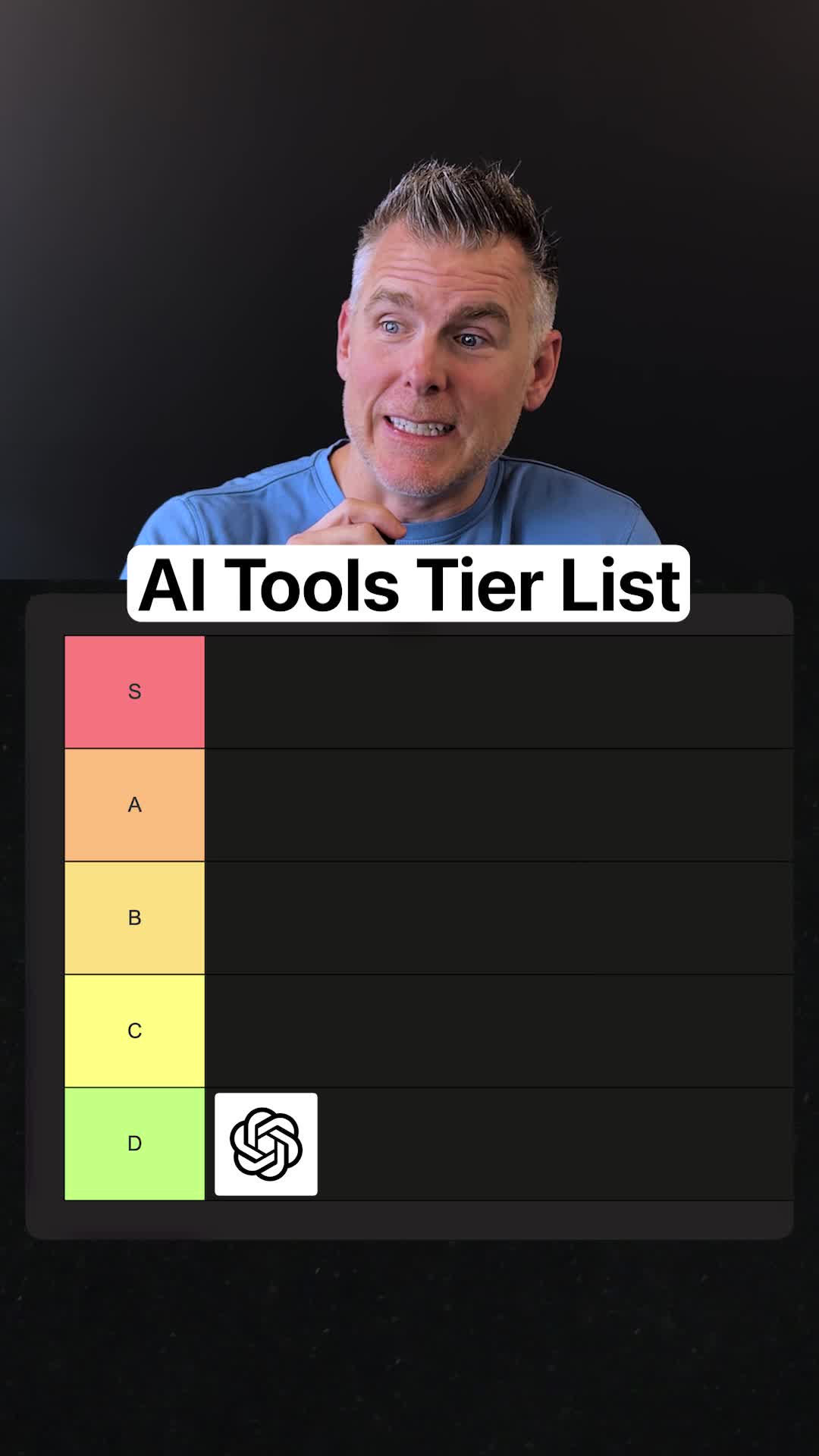
Two of the very highest outlier multiples in this dataset belong to tier list videos, with one reaching nearly 200x its niche baseline. The format works because it promises a definitive verdict, which satisfies the viewer's desire for someone else to do the research for them. Ranking also creates natural tension across the video, since viewers stay to see where their favorite tool lands or to feel validated or challenged by the creator's opinion. Pairing a ranking format with a current year timestamp amplifies urgency, signaling that old information is already obsolete.
Hooks That Trigger FOMO and Curiosity Simultaneously
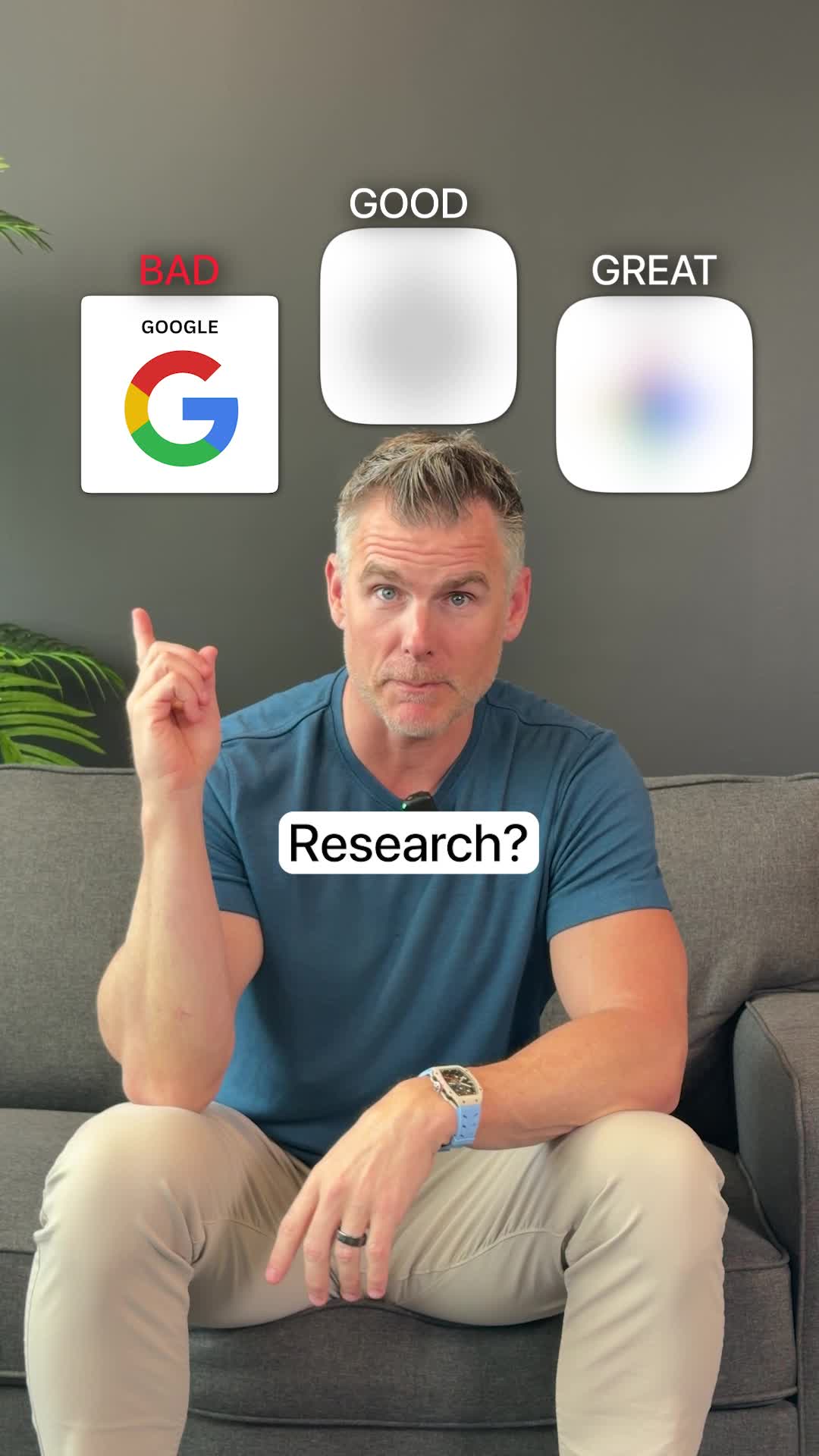
The top hooks in this niche fall into two overlapping categories: threat-based hooks that warn viewers they are using inferior tools, and discovery hooks that tease a swipe or scroll reveal. The 'don't use bad tools, use great ones instead' framing is a classic loss-aversion trigger that outperforms pure positive framing. Carousel-style hooks that instruct the viewer to swipe for a reveal add an interactive, gamified element that also boosts platform engagement signals. The combination of curiosity and mild anxiety is the most potent opener in this space.
Task-Specific Tool Lists Drive Saves and Shares
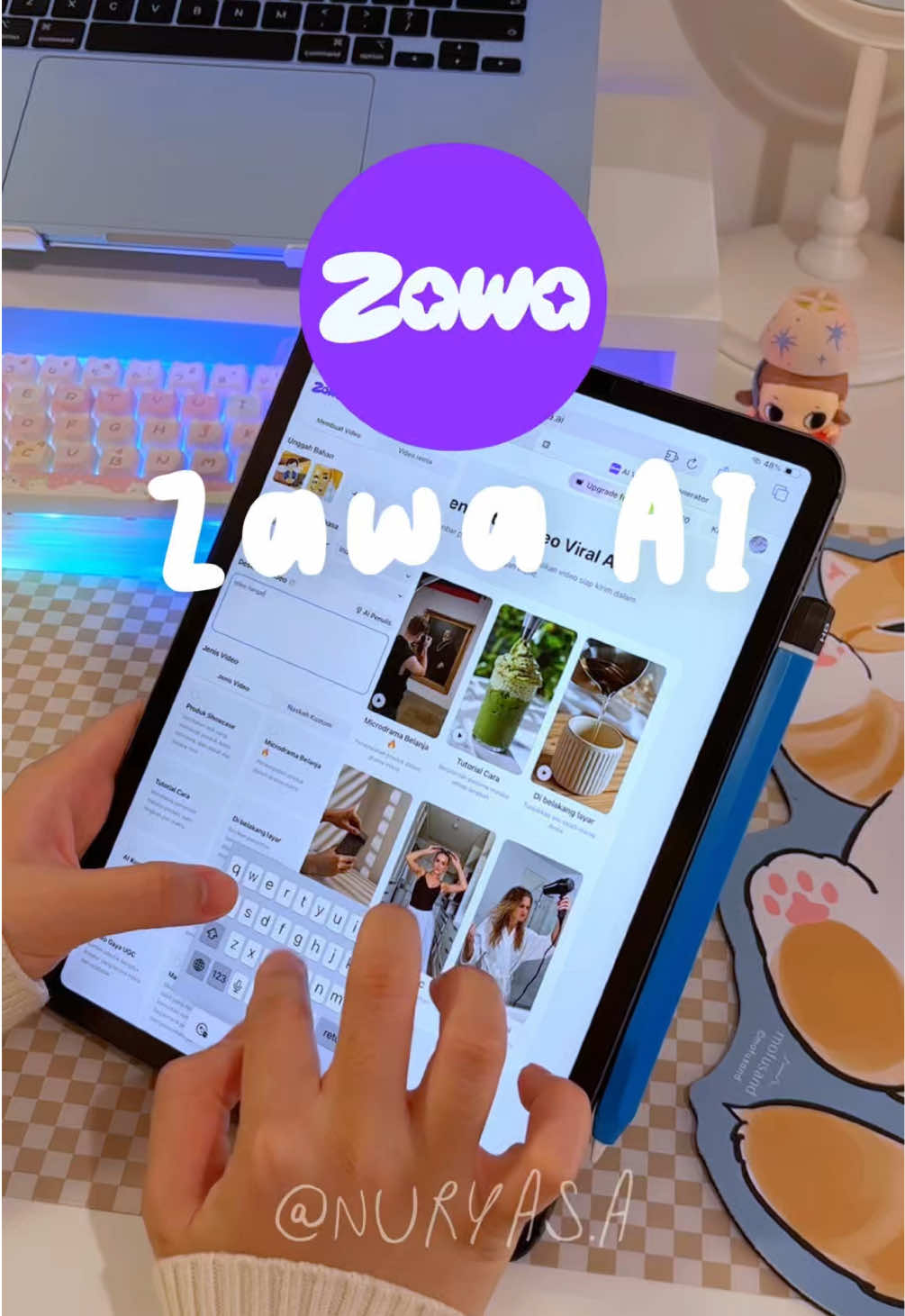
Videos that map specific AI tools to specific tasks, such as one tool for emails, another for research, another for video, consistently generate high save rates because they function as reference cards viewers want to revisit. This format also lowers the cognitive load of the pitch; viewers do not need to evaluate a tool in the abstract, they just ask 'do I send emails?' and immediately see the relevance. The more granular and recognizable the task, the stronger the connection. This structure also naturally extends video length and encourages comment-gating tactics, where the full list is offered in exchange for a keyword comment.
Comment-Gating and DM Funnels as Engagement Accelerators
Several of the mid-tier outperformers use a comment-trigger mechanic where viewers are asked to drop a specific word to receive a full resource list. This tactic works on two levels: it floods the comment section with a single keyword that signals massive engagement to the algorithm, and it primes the viewer to take an action before the video even ends. The perceived exclusivity of a 'private list' also adds value framing that a public caption cannot replicate. Creators who combine this mechanic with a genuinely useful partial list in the video body drive the strongest results, since they prove value before asking for the comment.
Tutorial and Workflow Hooks Outperform on Depth and Shares
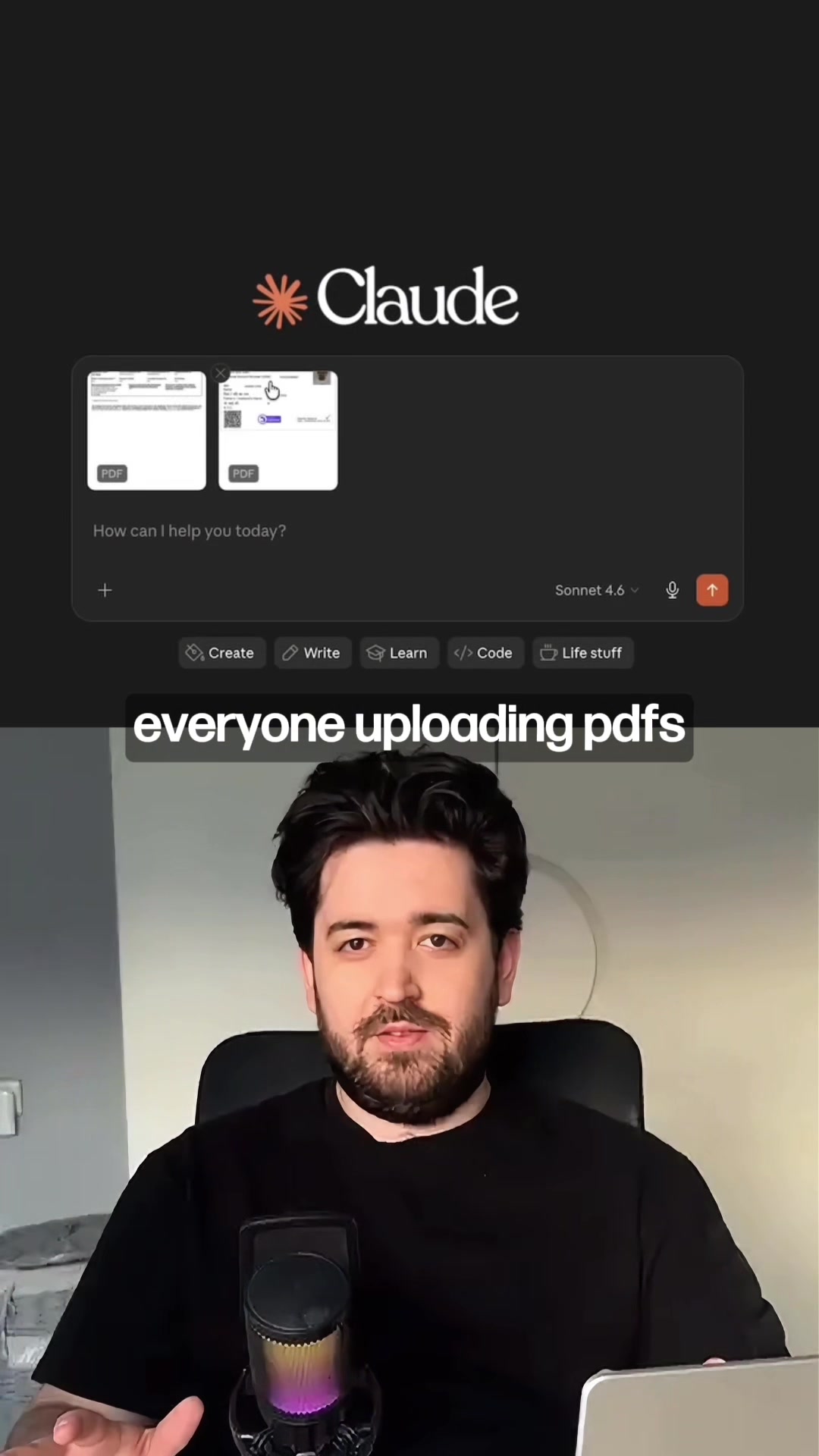
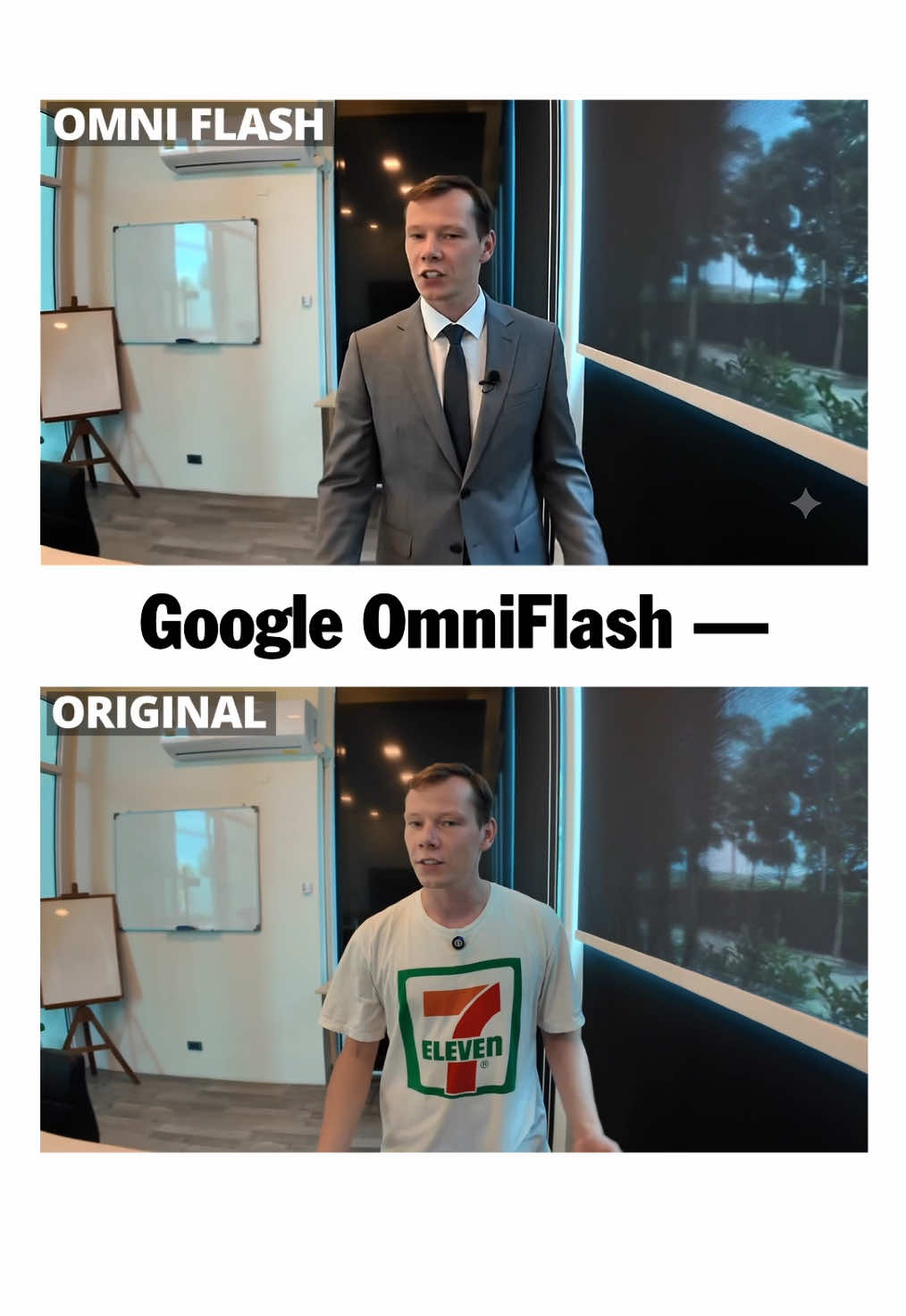
Step-by-step workflow videos, such as building a website or converting documents with a specific tool, attract a slightly smaller but highly engaged audience that shares content with colleagues and saves it for later use. These videos win by making an advanced outcome feel achievable in a short format, often by numbering the steps on screen and naming the exact tool at each stage. The technical specificity, like citing a percentage reduction in token usage or naming a precise workflow, acts as a credibility signal that attracts a more professional audience with higher share intent. This format trades raw view volume for stronger conversion and follower retention.
Analysis generated by Reelyze from 20 top-performing ai tools videos.