What Makes Coding Tutorial Short-Form Videos Go Viral
Coding tutorial short-form videos win when they collapse the intimidation barrier fast, either by promising immediate relatability or by delivering a visible, satisfying payoff in under 60 seconds. The top performers cluster into two distinct camps: aspirational identity content that speaks to beginners finding their footing, and project-based demos that make complex output look deceptively achievable. Engagement spikes hardest when the video makes the viewer feel either seen or instantly capable.
Hook Style: Lead With the Learner's Fear or Desire, Not the Lesson
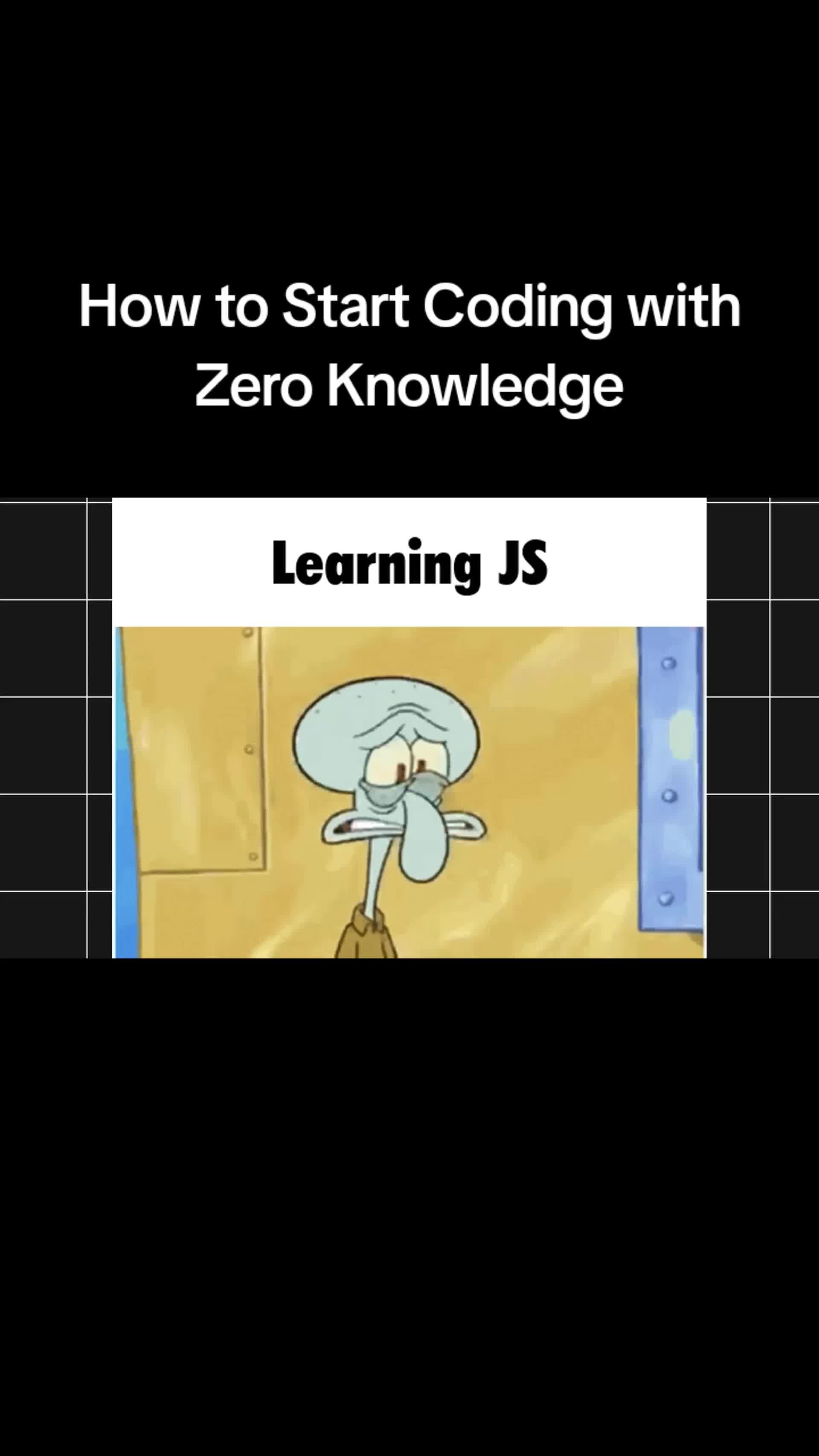
The highest outlier videos (200x+ range) open by addressing the emotional state of the viewer rather than the technical content. Phrases framing a zero-knowledge starting point, or positioning the creator as someone who was once exactly where the viewer is, consistently outperform videos that lead with the tool or language being taught. The hook is essentially a mirror held up to the audience's anxiety or ambition, and the tutorial is the payoff for staying. This pattern shows that in the coding niche, emotional entry beats technical entry almost every time.
The Personal Story Format Punches Far Above Its Production Weight
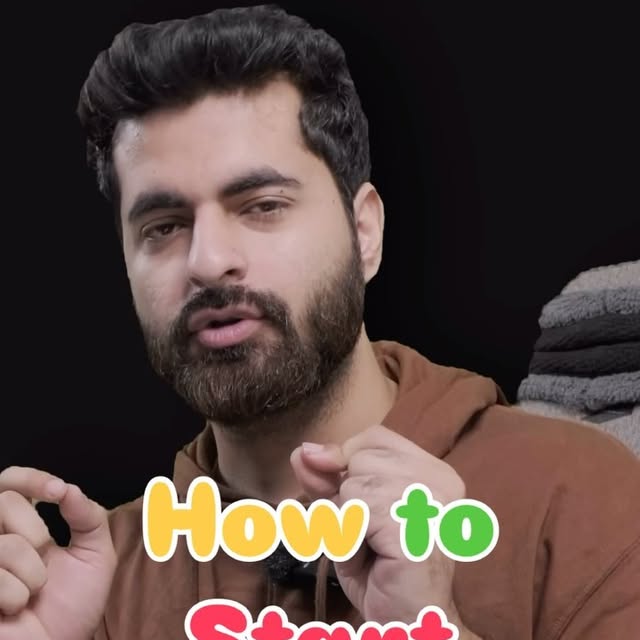
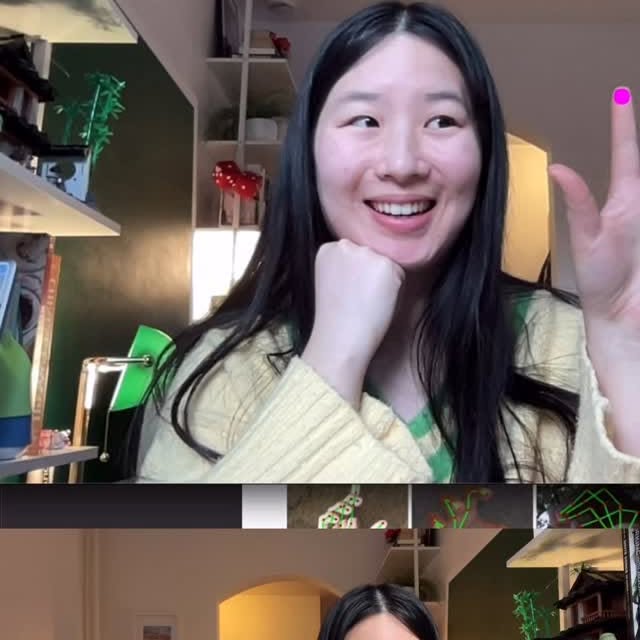
Several of the strongest performers use a personal narrative wrapper, mentioning mentors, academic backgrounds, or career pivots, to frame what is otherwise a straightforward tutorial. This format works because it adds stakes and authenticity without requiring polished production. Viewers are not just learning a skill; they are following a person's arc, which drives watch time and shares far beyond what the technical content alone would earn. Even a brief autobiographical sentence in the caption appears to signal trustworthiness and dramatically lifts performance.
Visual Payoff Projects Dominate Mid-Tier Performance
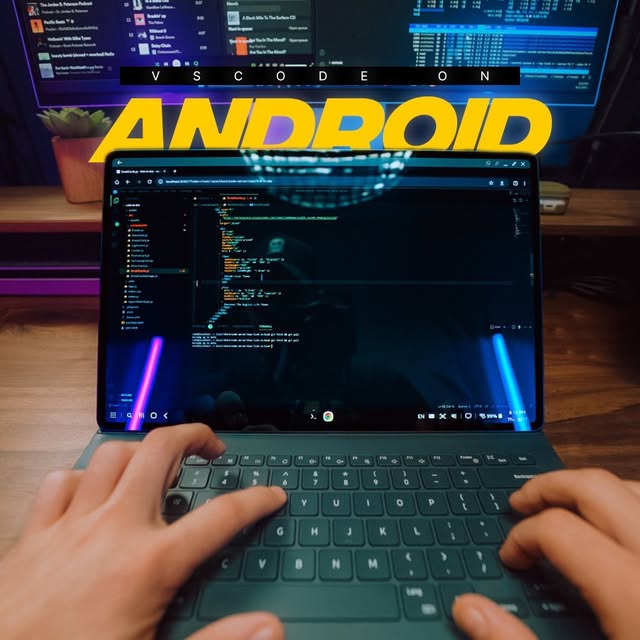
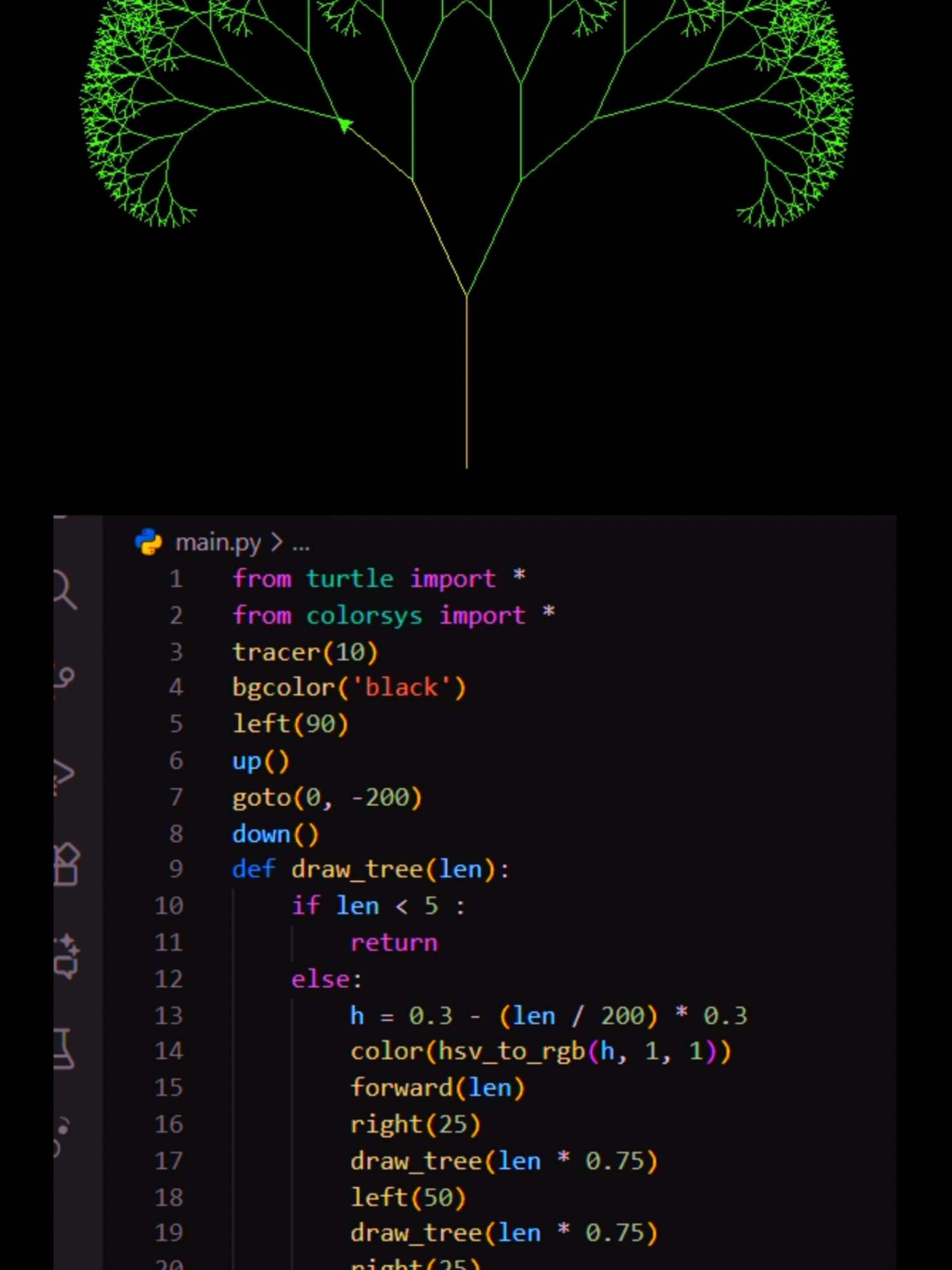
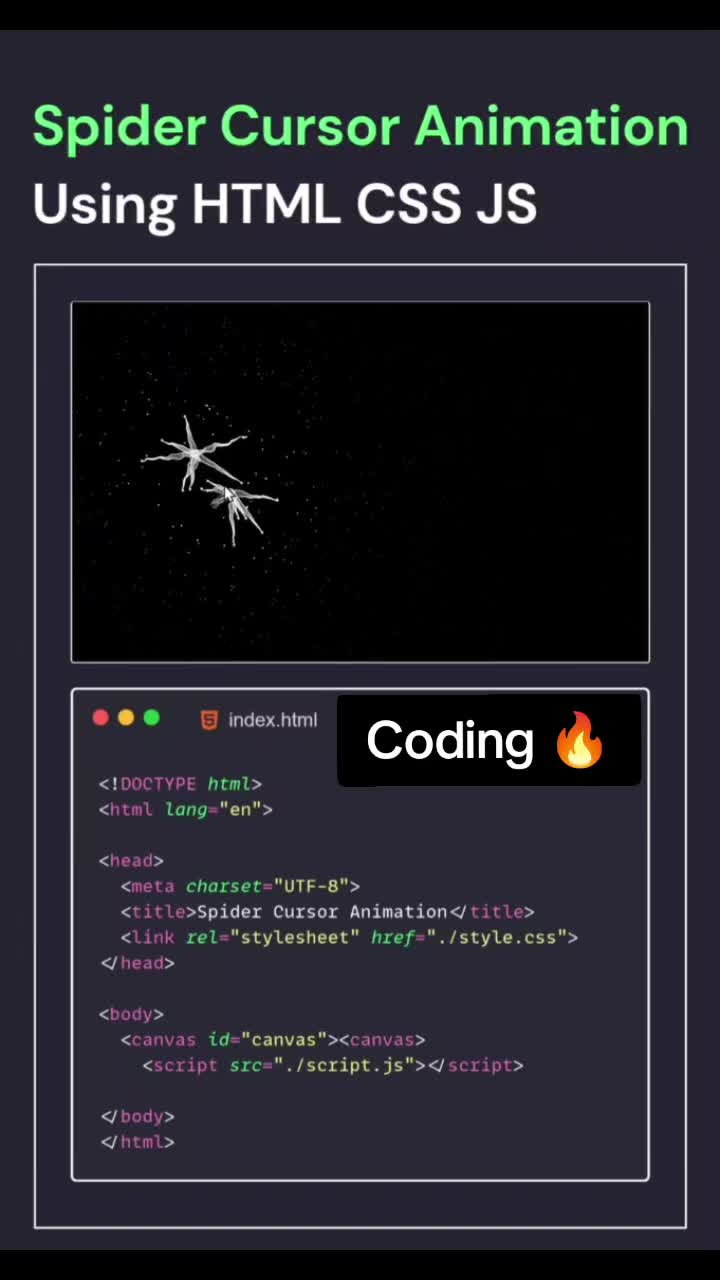
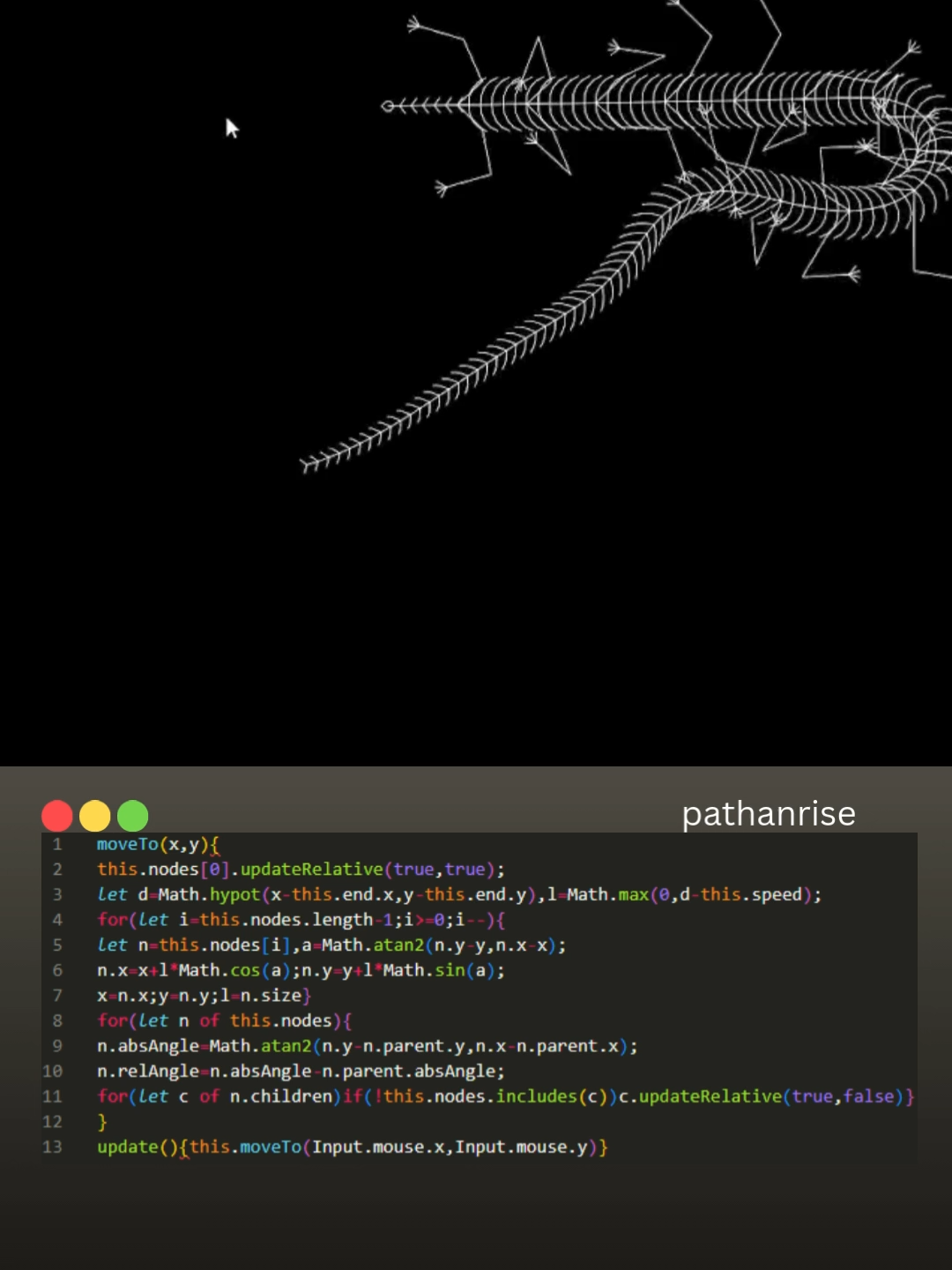
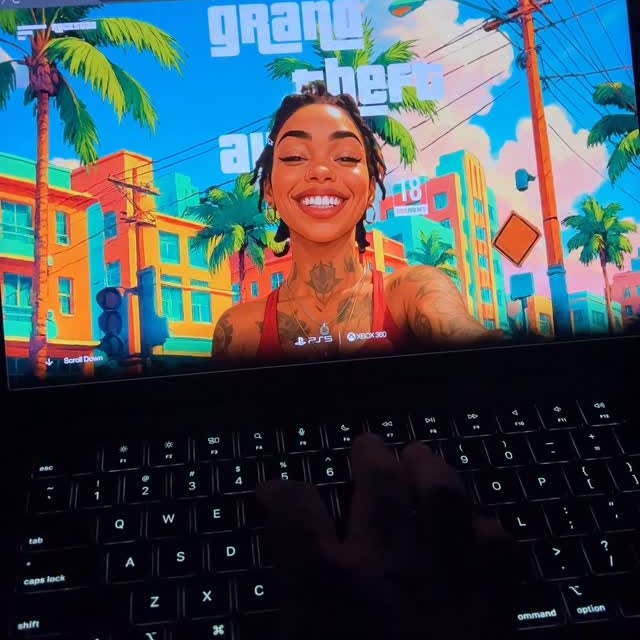
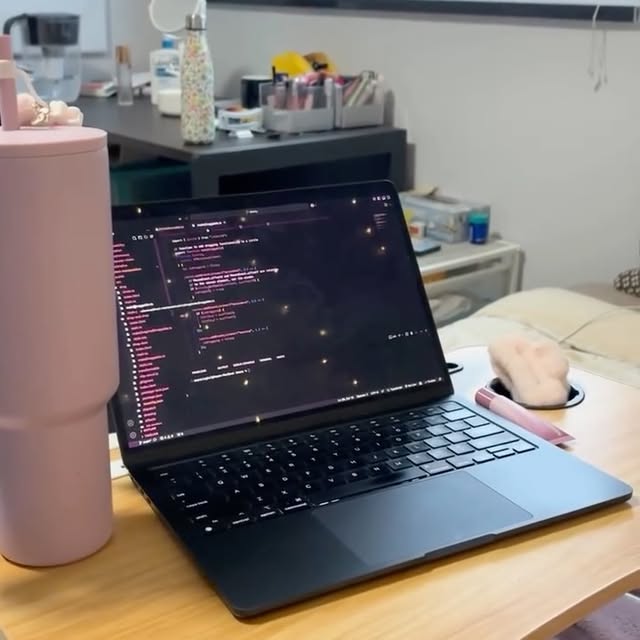
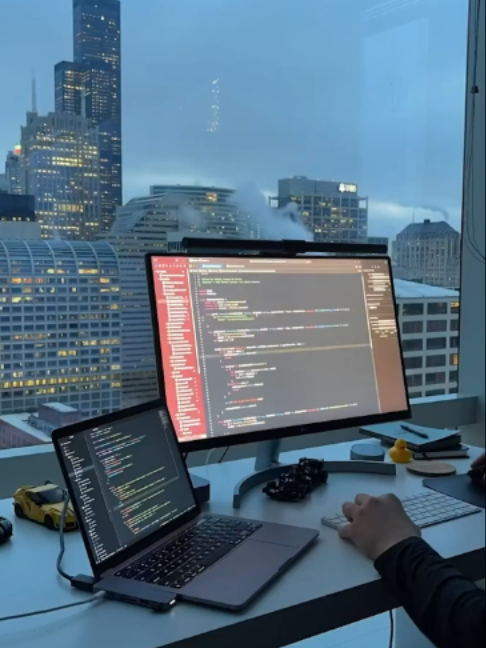
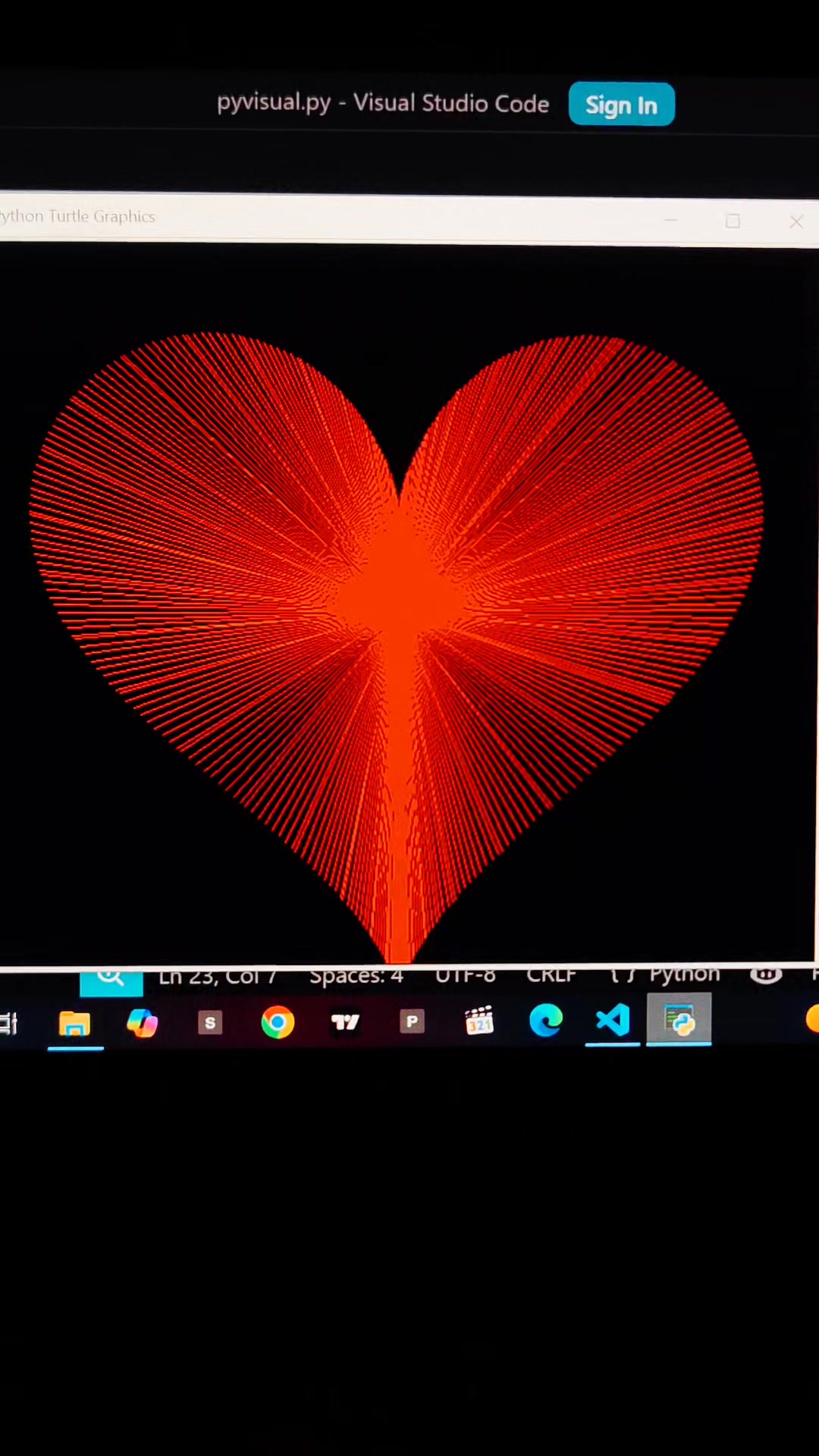
Videos built around a visually striking output, such as animated cursors, motion tracking, tree graphics, or themed IDE setups, consistently land in the 3x to 25x outlier range. The format works because the end result is screenshot-able and shareable, giving viewers a concrete reason to save or send the video. Short demos that show the finished product in the first two seconds before walking backward through the build process perform especially well, because the viewer's curiosity about how to replicate the result keeps them watching. The more surprising or aesthetically pleasing the output, the stronger the pull.
Controversy and Counter-Narrative Hooks Generate Outsized Engagement
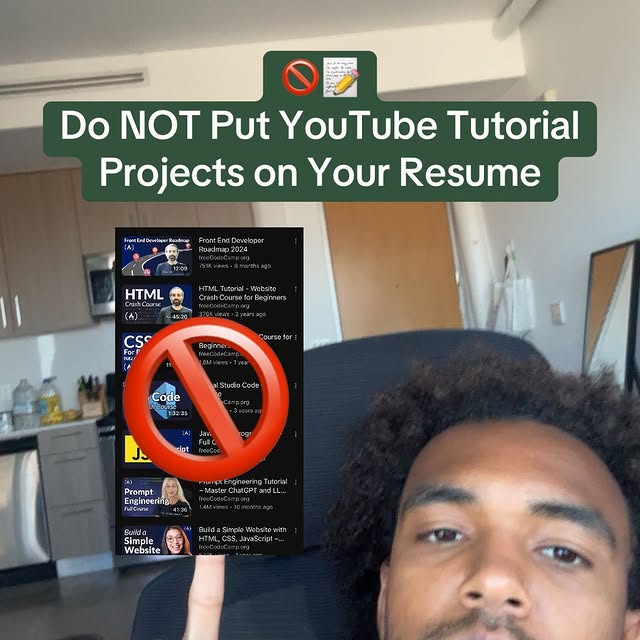
A distinct cluster of high performers uses a warning or challenge to conventional wisdom as the primary hook, telling viewers to stop doing something they likely believe is correct, such as including beginner portfolio projects on a resume. This structure works by creating instant cognitive dissonance, making the viewer feel they may have already made a mistake they need to correct. The format is particularly powerful in a niche full of self-taught learners who are deeply insecure about whether they are learning the right things in the right order. One sharp contrarian premise can outperform a dozen well-produced walkthroughs.
Serialization and Beginner-Framing as Retention Machines
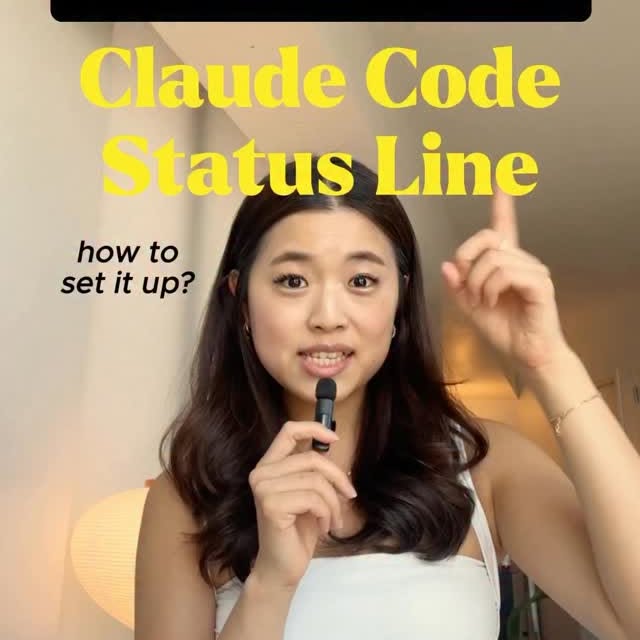
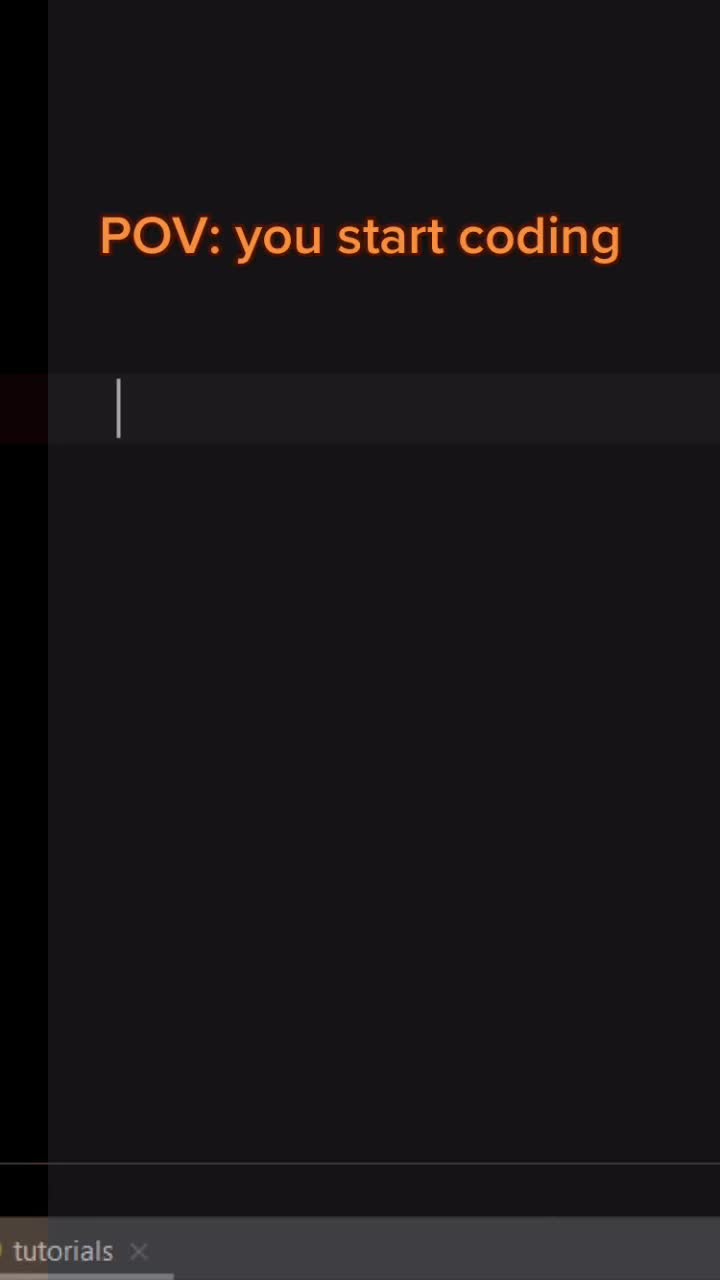
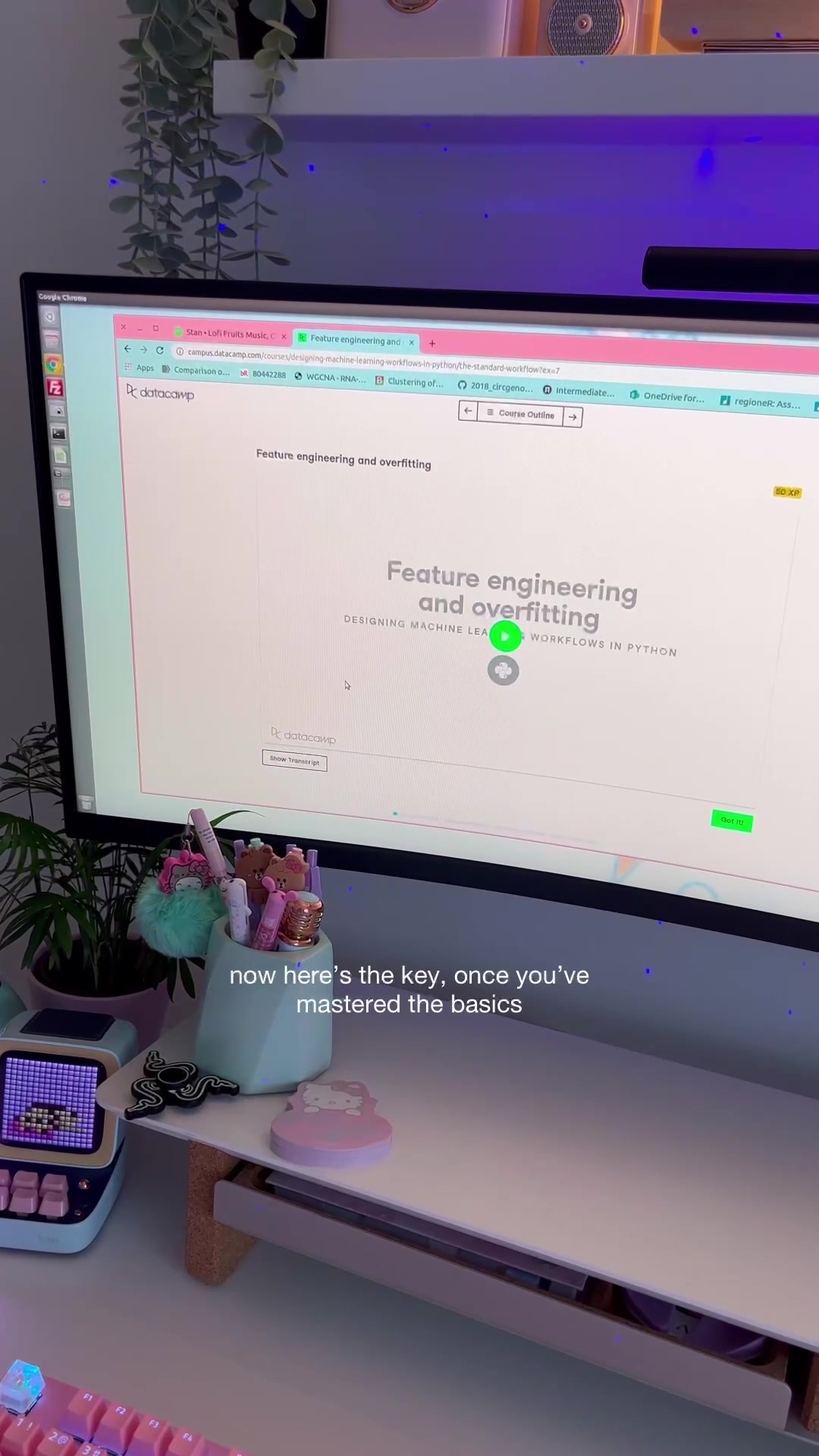
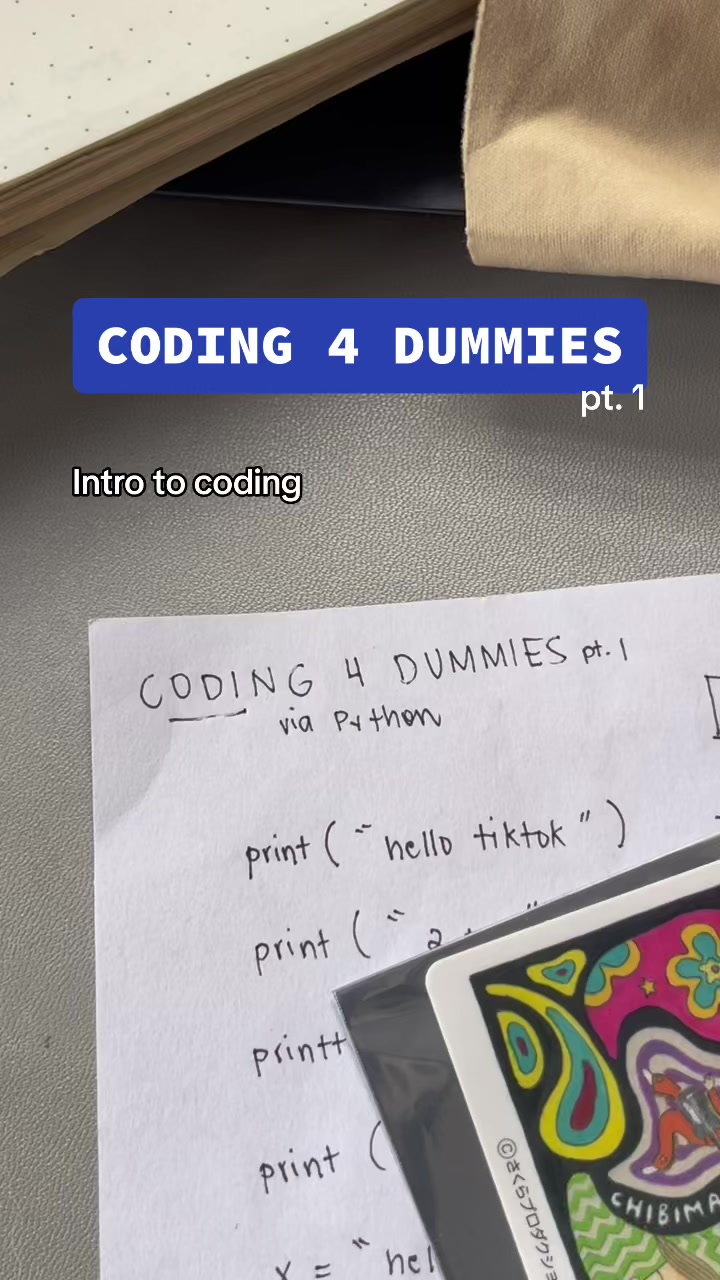
Videos that position themselves as part of a numbered series or explicitly label themselves as entry-level content (for beginners, zero knowledge, step one) show strong sustained viewership rather than spike-and-drop patterns. This structure benefits the algorithm by building return viewers, and it benefits the creator by lowering the barrier for new followers who feel they can catch up. Bilingual or accessibility-forward framing, such as subtitles or simplified language callouts in the caption, appears to broaden reach significantly by pulling in non-native speakers and younger audiences who make up a large share of coding-curious viewers.
Analysis generated by Reelyze from 20 top-performing coding tutorial videos.