What Makes Fashion Outfit Short-Form Videos Go Viral
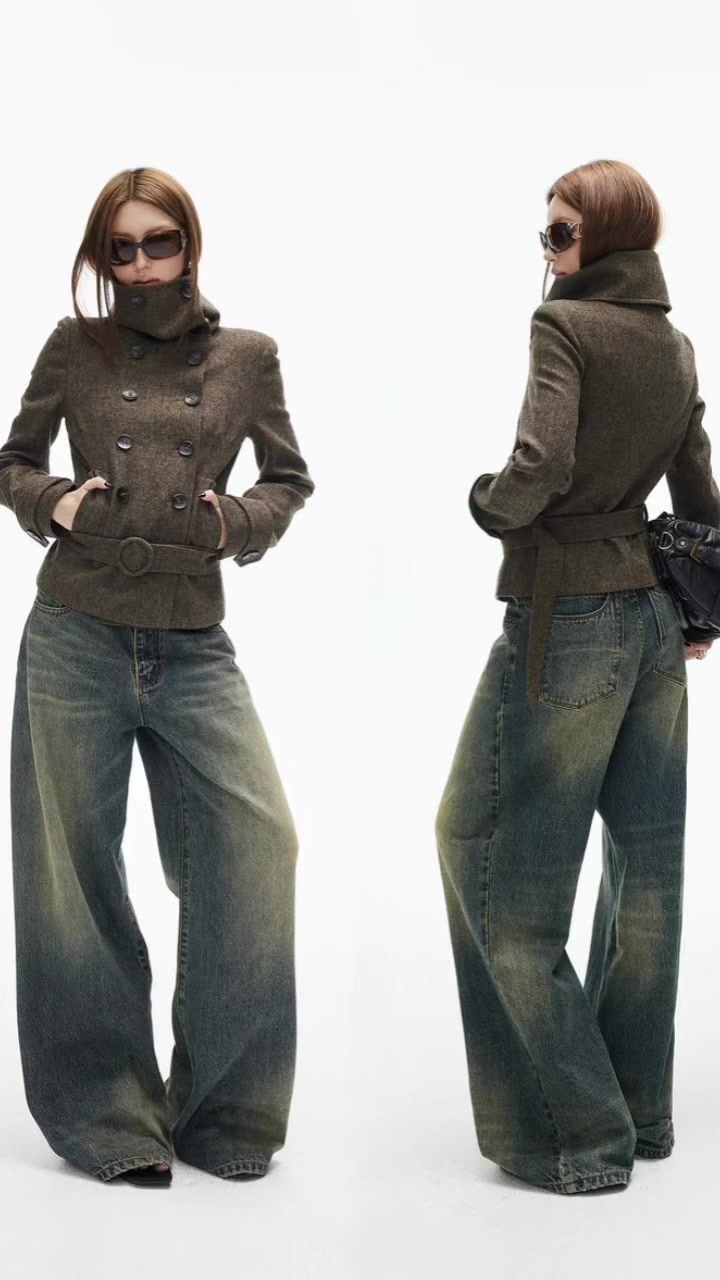
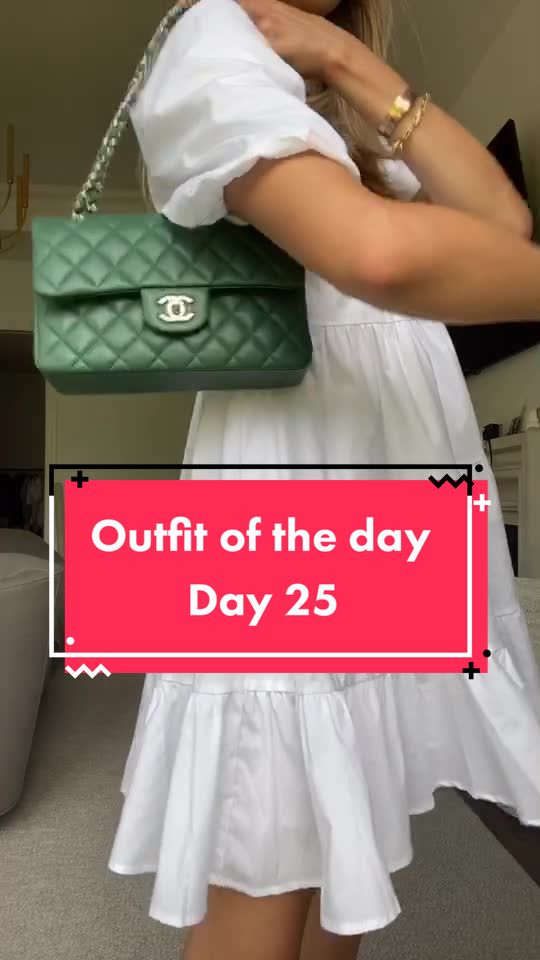
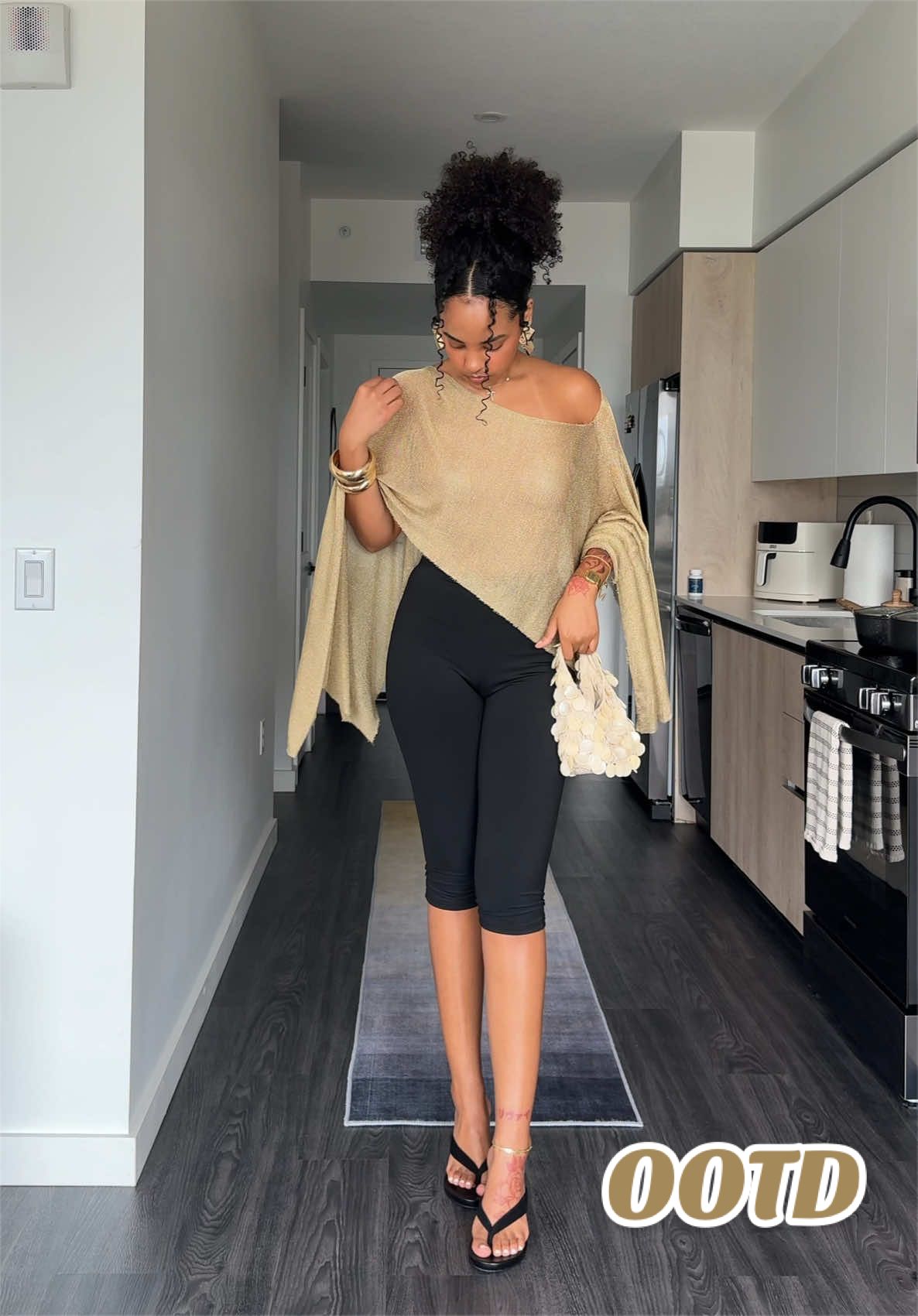
Fashion outfit content dominates short-form video because it sits at the intersection of aspiration and practicality, giving viewers something they can immediately picture themselves wearing or trying. The top-performing videos in this niche share a common thread: they solve a real styling problem or spark a relatable emotion within the first two seconds, making the scroll-stop feel effortless. Creators who win here consistently pair strong visual contrast with a personal or community-driven angle, turning a simple outfit reveal into a shareable moment.
Hook Style 1: Personality-Led Confidence or Self-Deprecating Humor
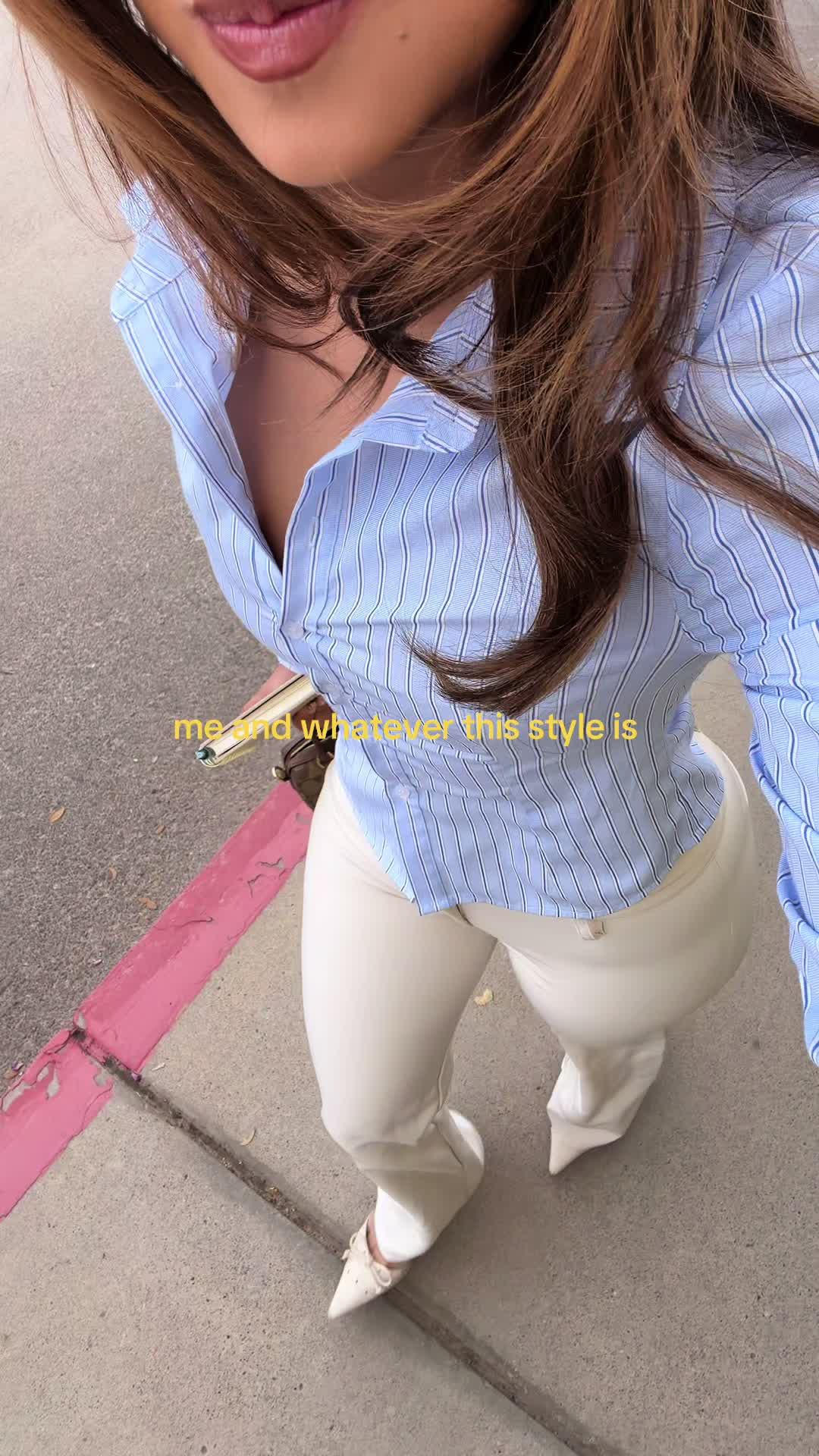
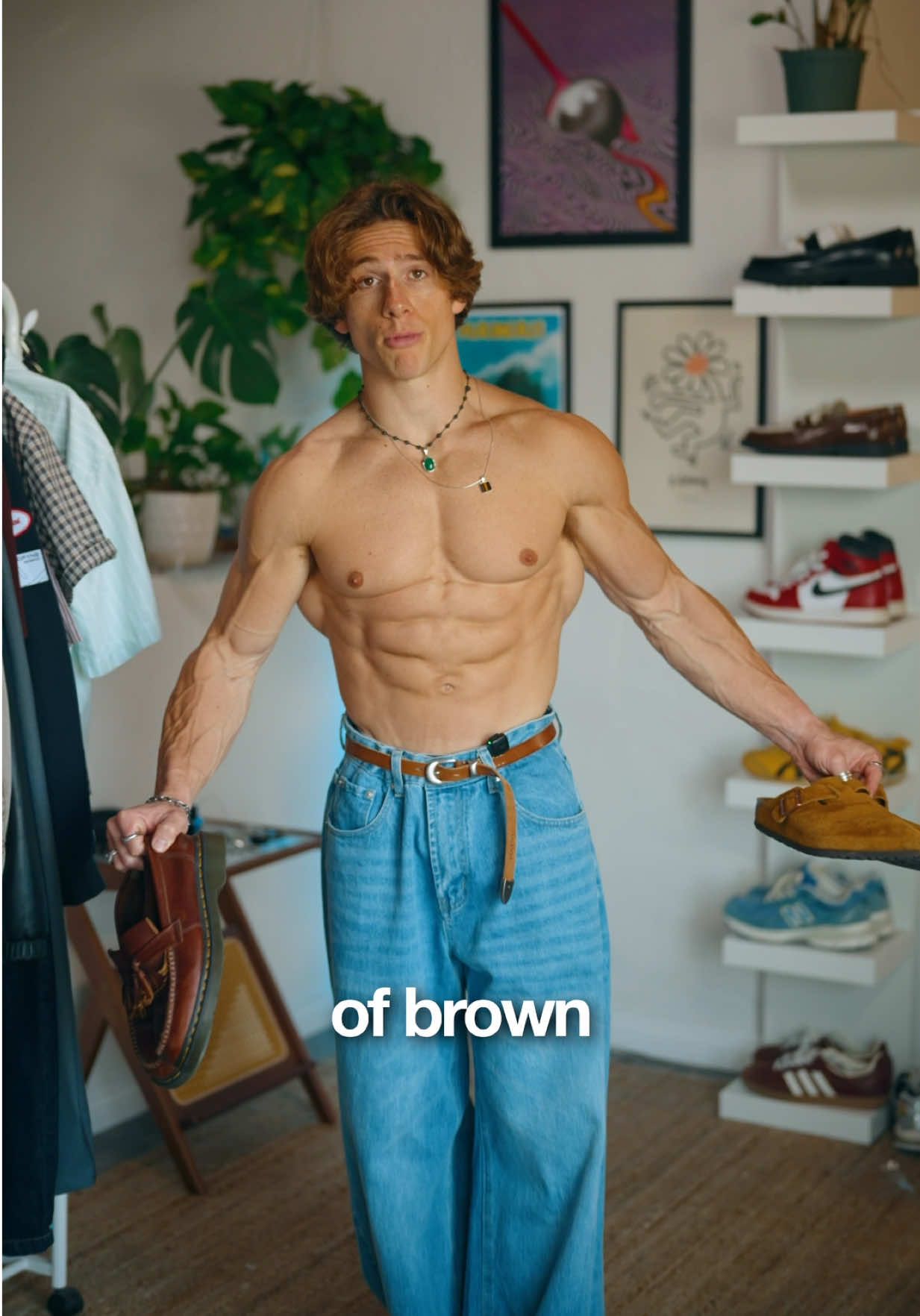
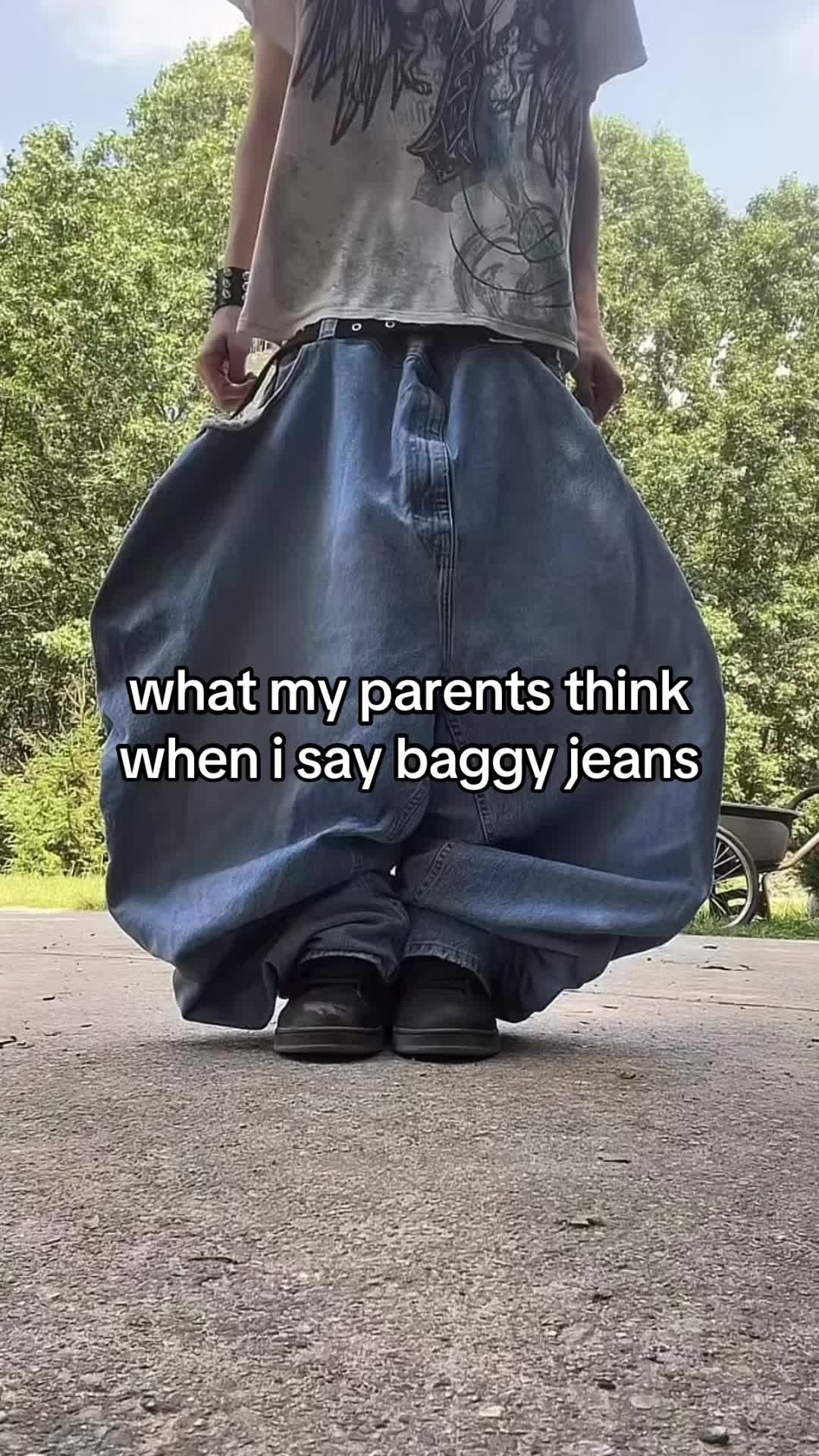
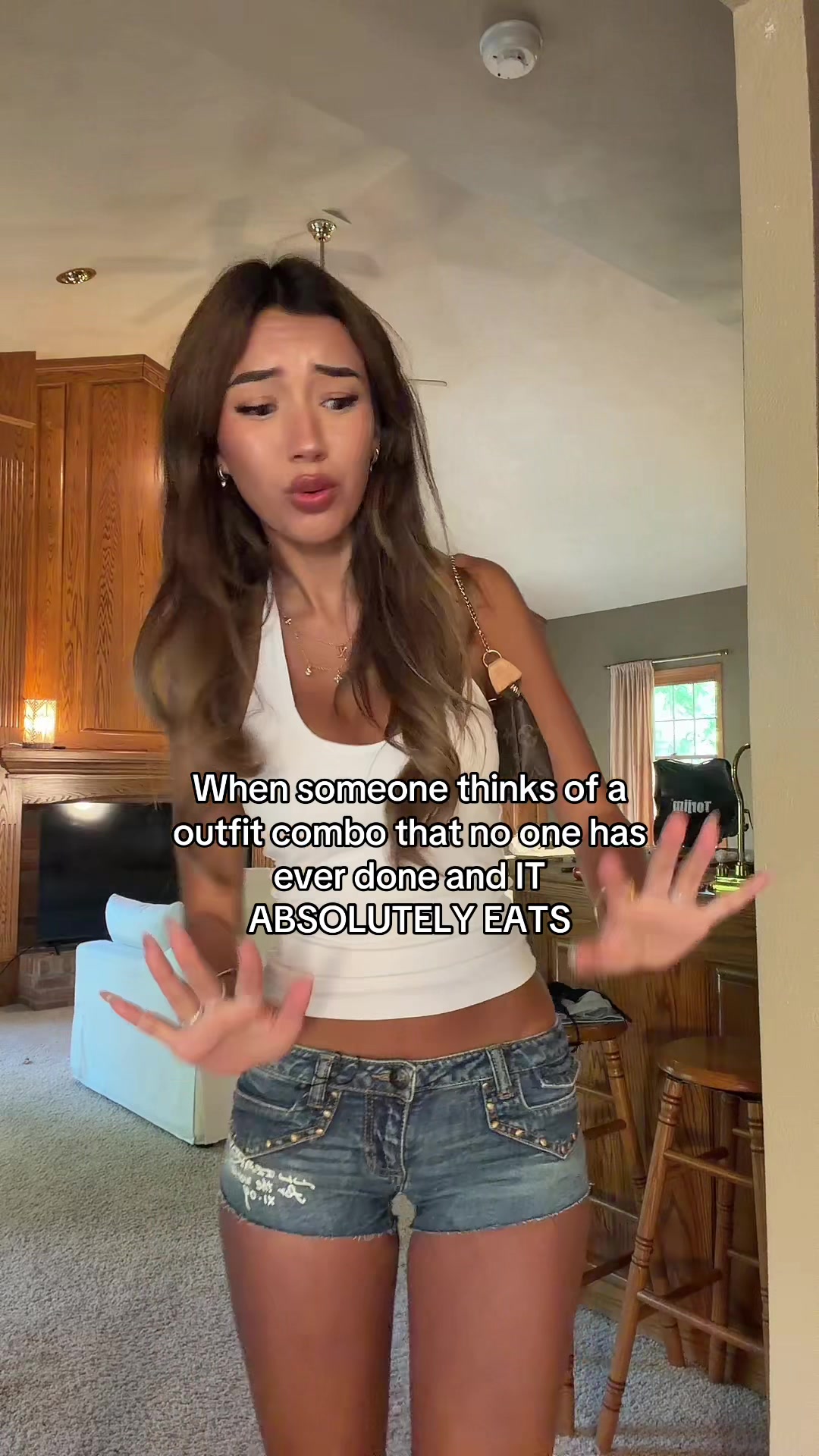
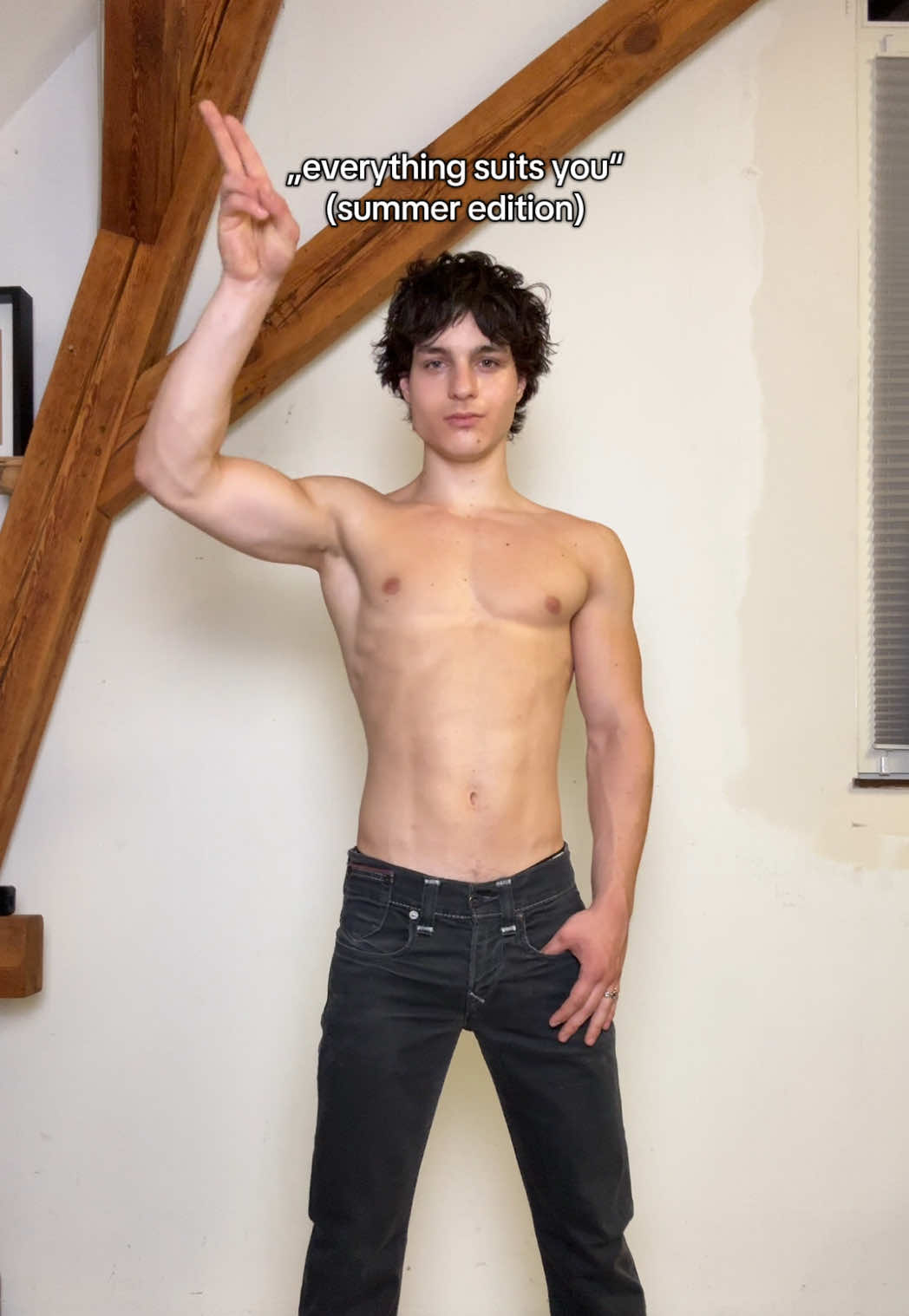
The highest-outlier videos open with a voice or caption that projects a bold attitude toward an outfit, whether that is playful confidence or self-aware humor about a style choice. This works because fashion is inherently personal, and viewers immediately align with a creator who owns their look rather than just presenting it neutrally. Relatable humor hooks like calling out an unexpected or dorky aesthetic pull massive engagement because they invite viewers to either agree or defend the look in the comments, both of which drive algorithmic reach. The emotional entry point does more heavy lifting than the outfit itself in the first two to three seconds.
Hook Style 2: The Comparison or Transformation Frame
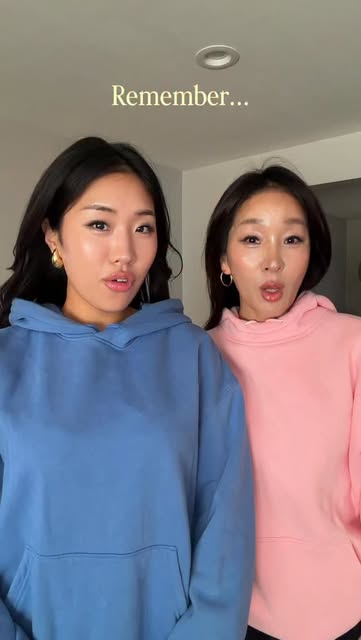
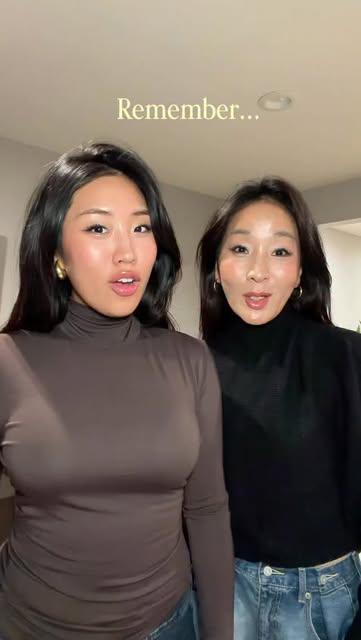
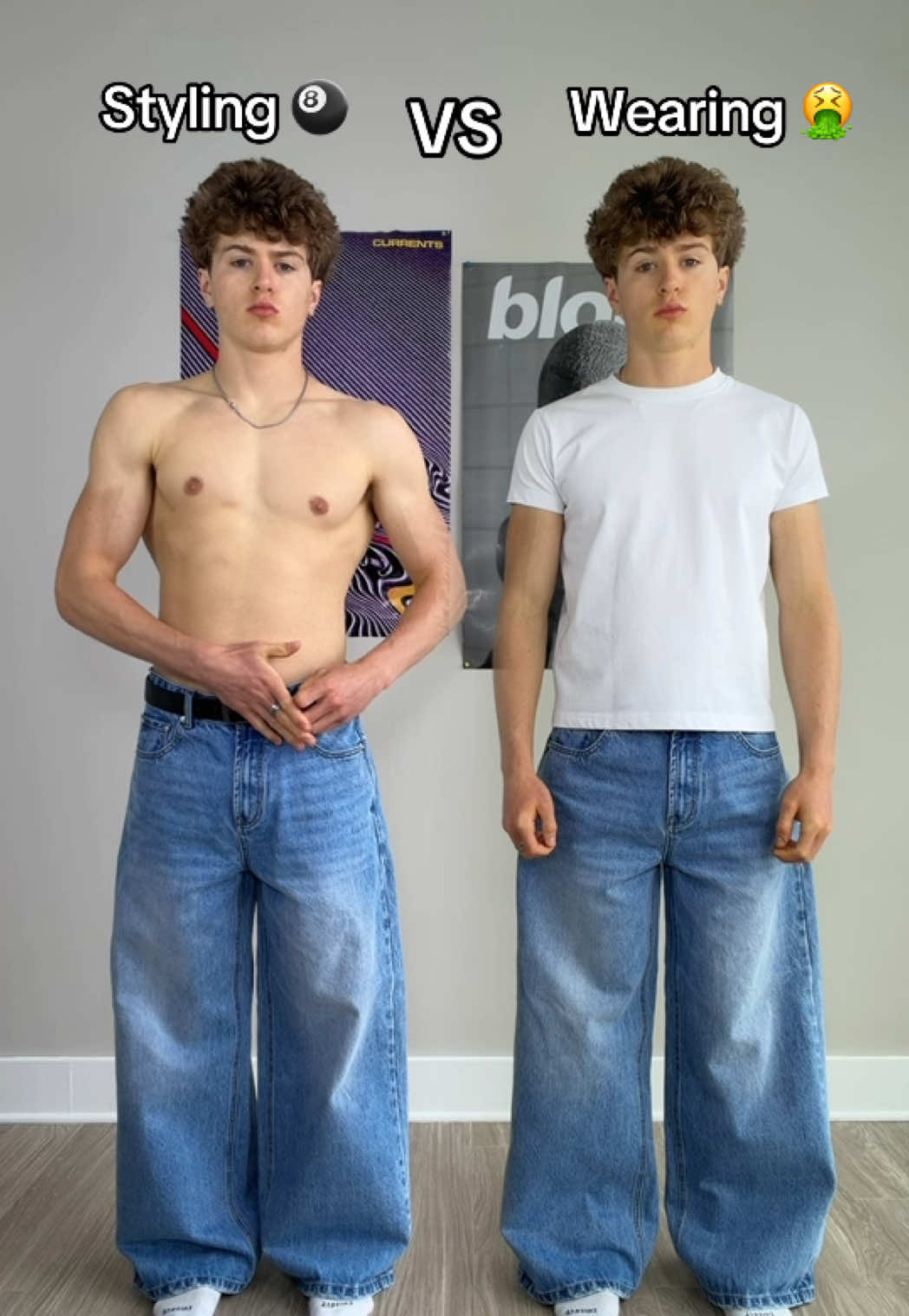
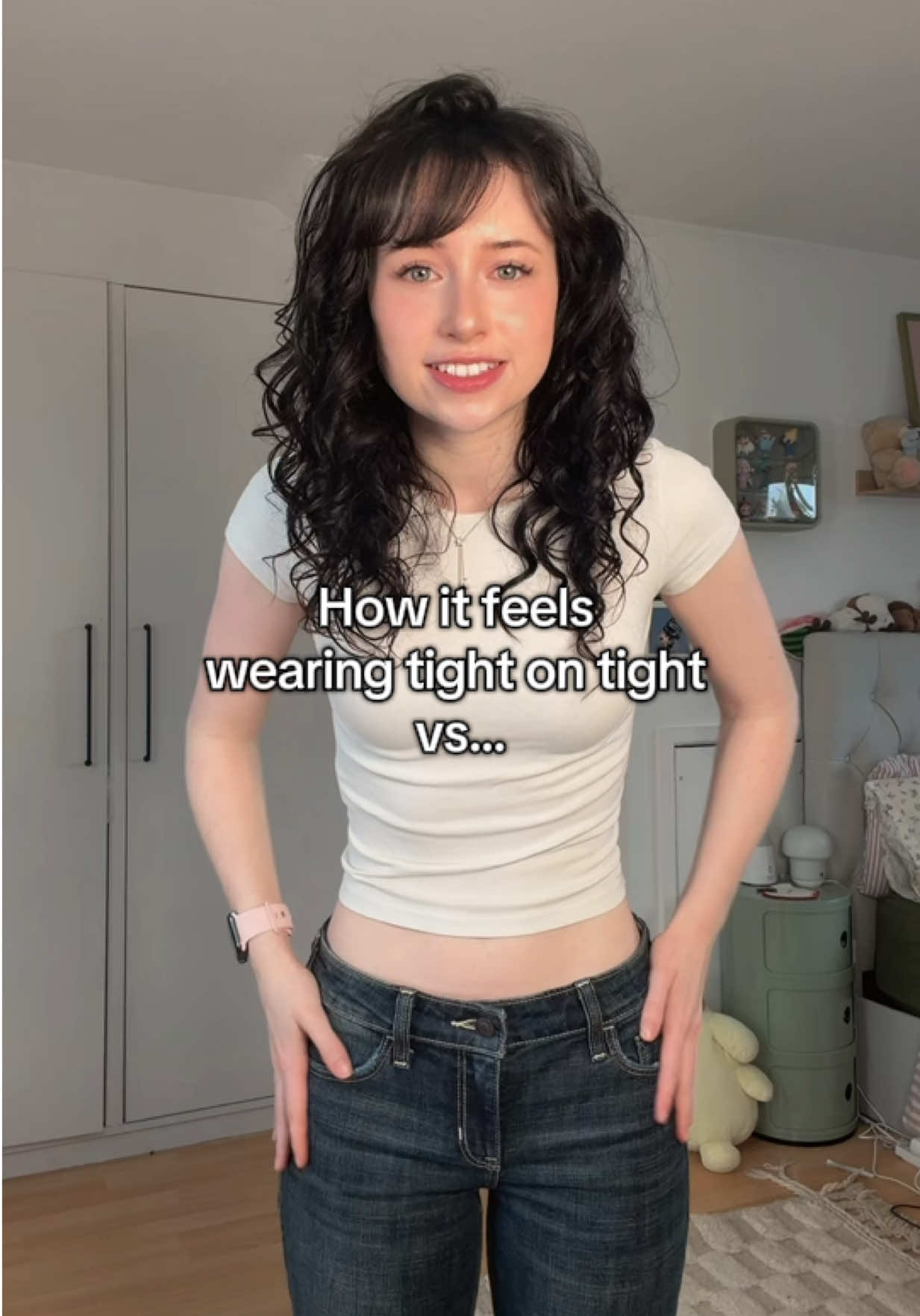
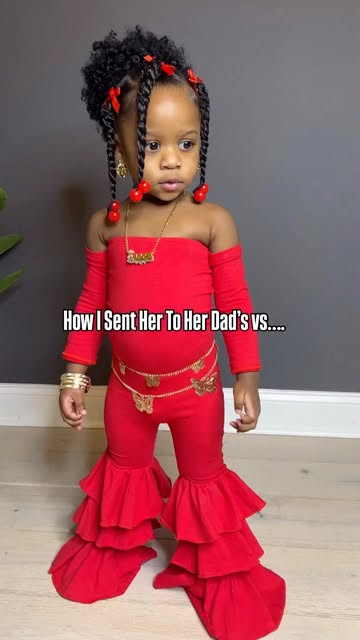
Videos that set up a before-and-after or a side-by-side comparison consistently outperform straightforward outfit showcases because they create an instant narrative tension that keeps viewers watching to the end. Structuring a video around two competing versions of a look, such as a styled versus unstyled approach or different outfit interpretations of the same item, gives the audience a reason to stay and a reason to vote in the comments. This format leverages the brain's natural preference for resolution, making watch-through rates significantly higher. The comment prompt embedded in the format, asking which version viewers prefer, is a deliberate engagement mechanic, not an afterthought.
Format Winner: Hairstyle-to-Outfit Pairing and Utility Combos
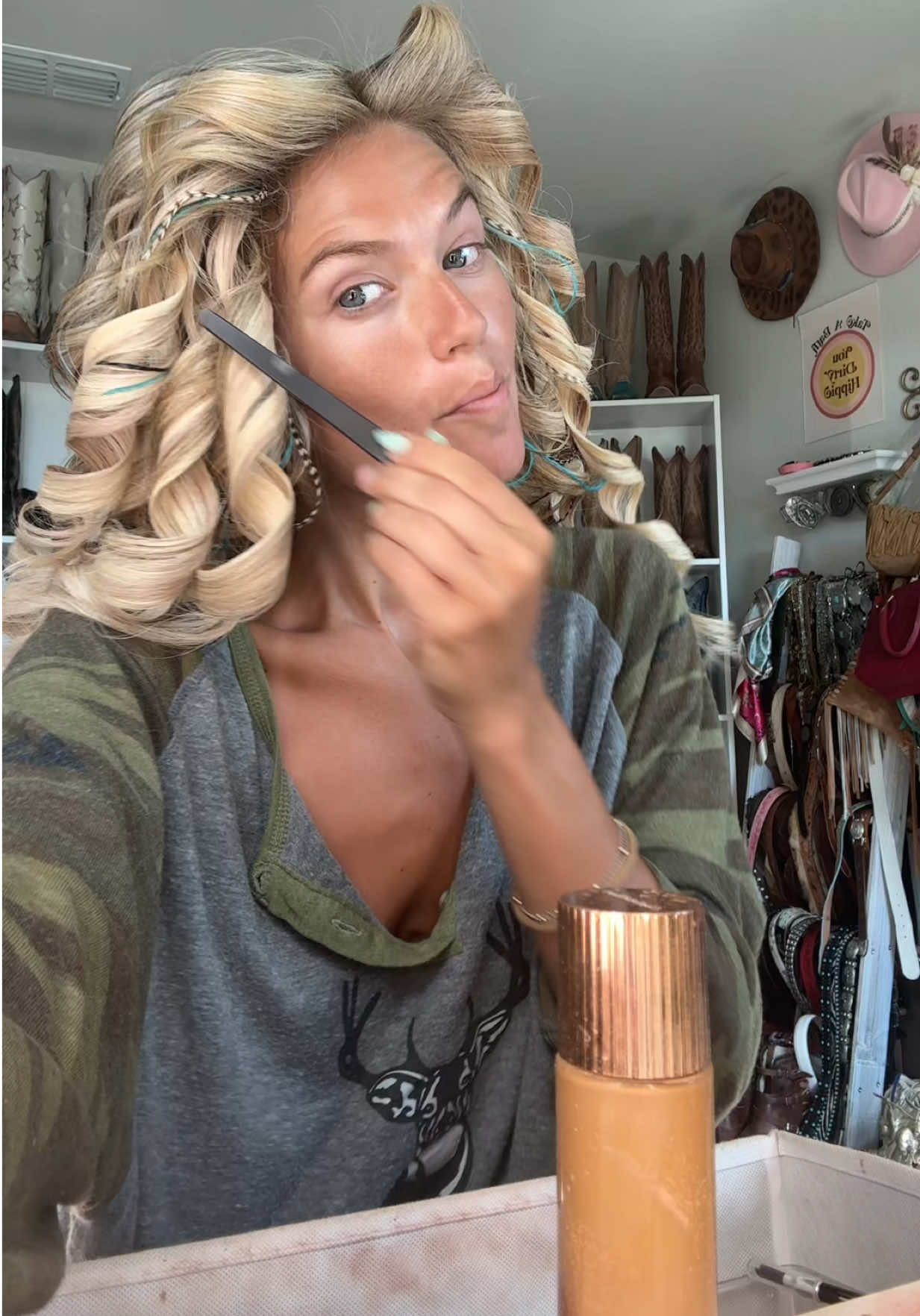
Two of the single biggest outlier videos by view count are built around the same unexpected cross-category idea: matching hairstyles to specific clothing items. This format wins because it doubles the practical value of a single video, teaching two skills at once while making both feel more achievable together. It also broadens the audience beyond pure fashion followers to hair and beauty communities, essentially multiplying distribution without changing the platform. Creators who find adjacent categories that naturally complement outfit content, such as accessories, shoes, or even posture, can replicate this amplification effect by packaging the combination as a complete look system rather than isolated styling advice.
Topic Pattern: Inclusivity and Accessibility as a Viral Engine
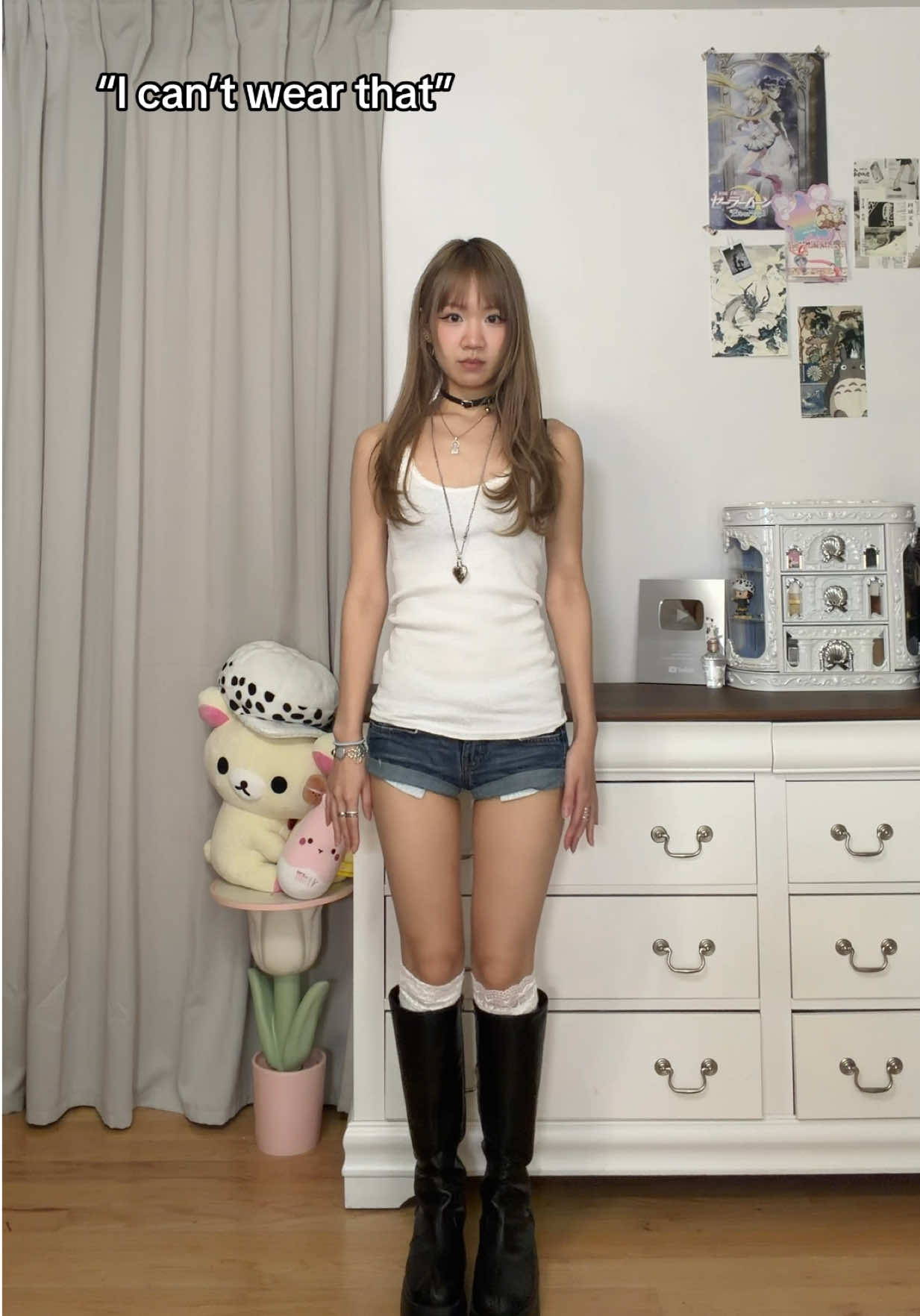
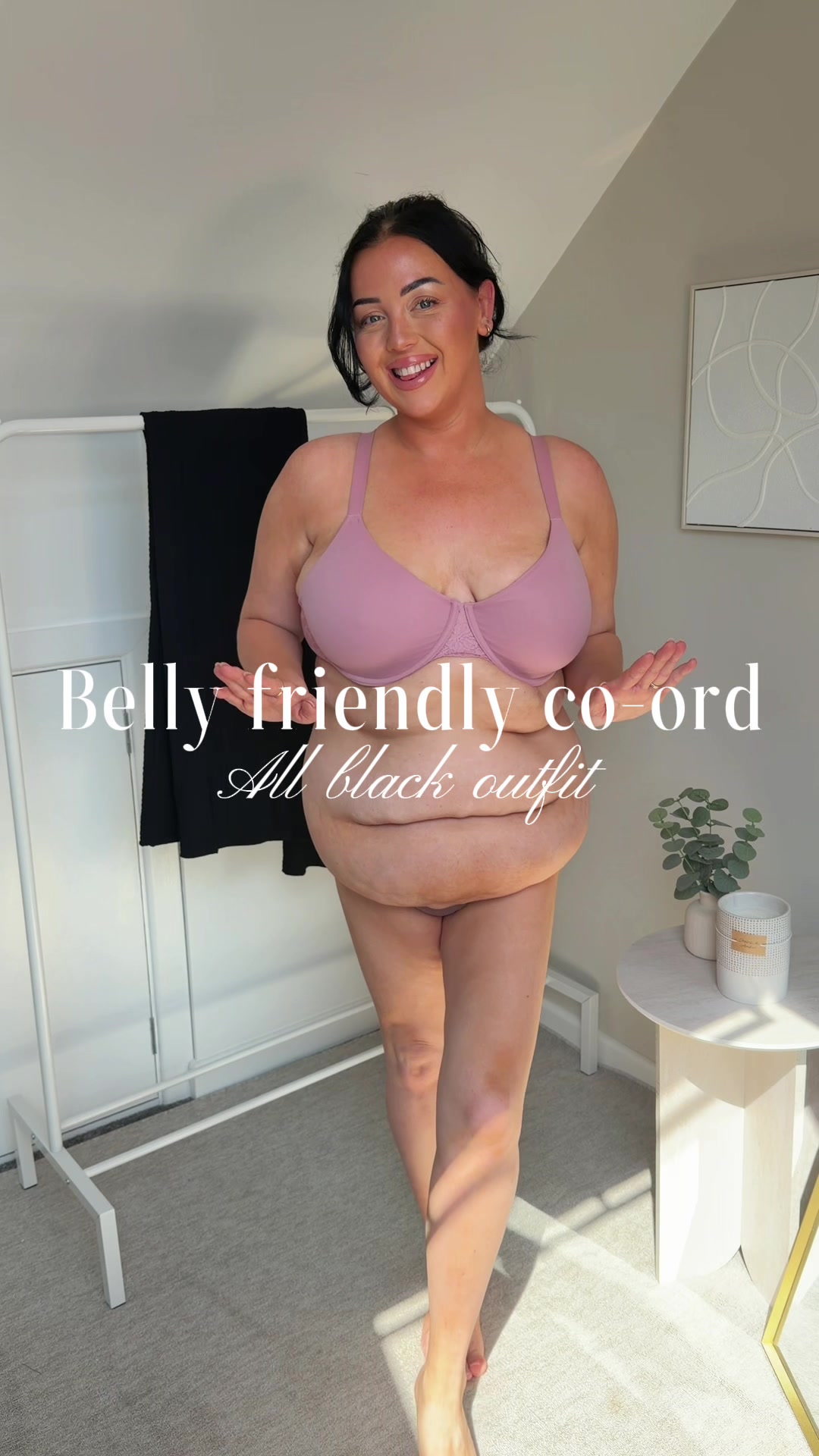
Several high-performing videos explicitly address specific body types, budget constraints, or dress-code restrictions, and they tend to punch well above their follower-count average in reach. Calling out a body-shape-friendly find or a sub-20-dollar option signals to underserved viewers that this content was made specifically for them, triggering saves and shares at a higher rate than generic outfit inspiration. This is not just a values play; it is a distribution strategy, because viewers who feel seen share the video as a form of self-expression and community building. Creators who name their target viewer directly in the hook, rather than speaking to a generic audience, consistently see stronger completion and save metrics.
Structure Pattern: The Named Tip or Rule with a Catchy Label
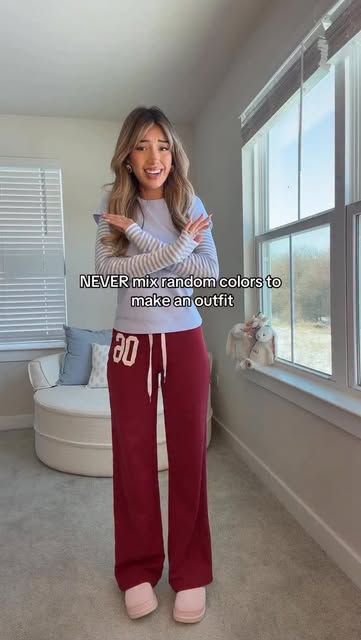
Videos built around a named concept, such as a specific styling method or a set of seasonal rules, perform well because they are inherently saveable and quotable. When a creator gives a technique a memorable name or frames advice as a defined system, viewers mentally bookmark the video for future reference, driving the save rate that feeds the algorithm. The key structural move is to introduce the named concept in the first line of the caption or the first spoken word, so the viewer immediately understands they are receiving something specific and actionable rather than general inspiration. Short named-tip videos also tend to have strong comment engagement because viewers debate whether the rule applies to their own wardrobe, which extends the video's algorithmic lifespan well past the initial push.
Analysis generated by Reelyze from 20 top-performing fashion outfits videos.