What Makes Personal Branding Short-Form Videos Go Viral
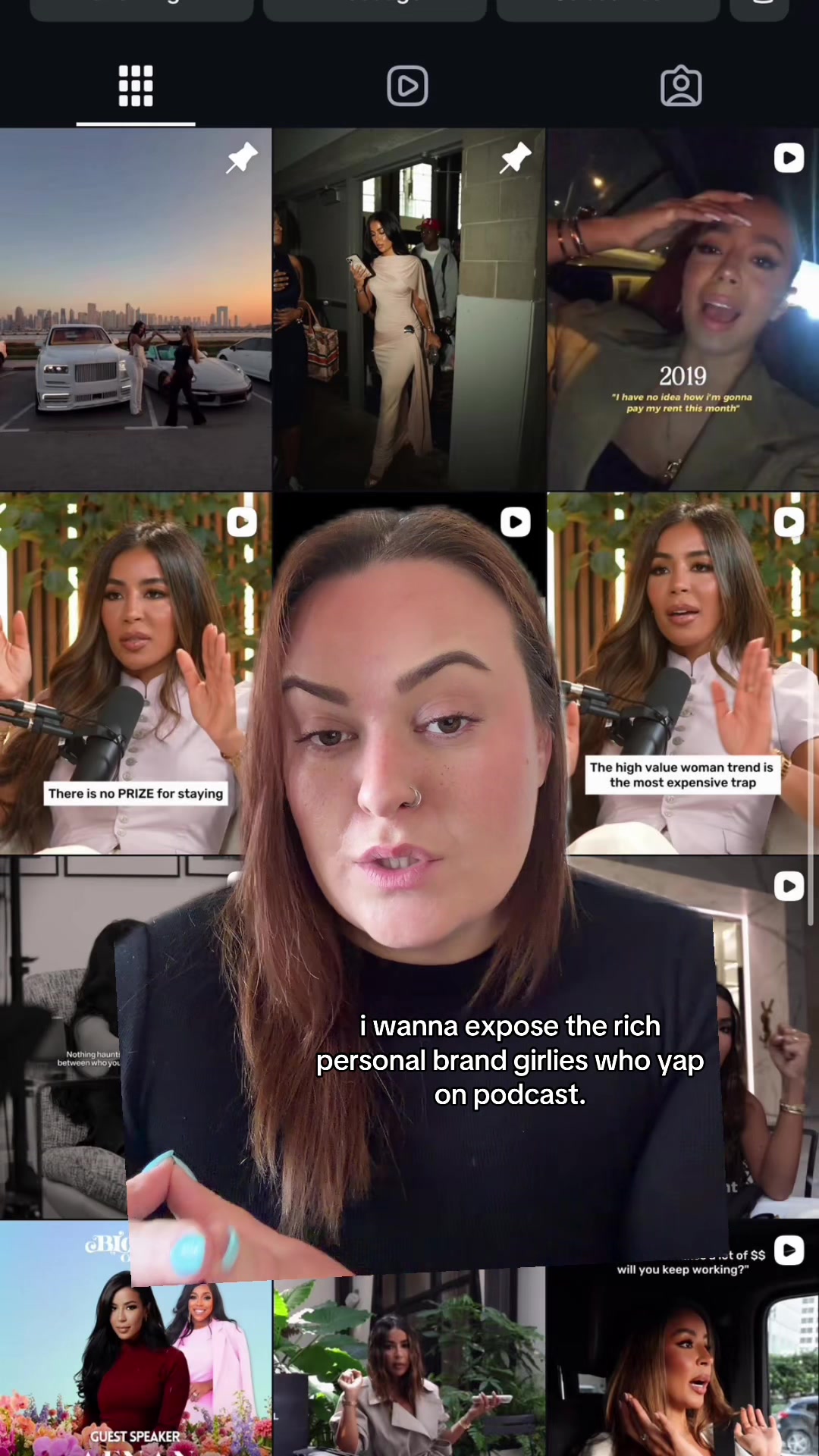
Personal branding content on short-form video platforms wins when it blends identity-level emotional tension with immediately actionable frameworks, pulling in both aspirational viewers and practical problem-solvers at the same time. The top-performing videos in this niche share a distinct pattern: they challenge a widely held assumption or social norm first, then position the creator as a trusted guide through the resulting tension. Across multiple languages and audience segments, the outlier hits consistently reward specificity, controversy, and personal relevance over generic advice.
Myth-Busting and Misconception Hooks Dominate the Top of the Chart
The single highest-performing video in this dataset opened by calling out a widespread misunderstanding about personal branding itself, and that pattern repeats across multiple top outliers. Hooks that frame the viewer as someone who has been getting something wrong create immediate psychological tension that demands resolution. This works because personal branding is a topic where most people carry a half-formed, socially absorbed definition, making them prime targets for a reframe. Creators who lead with 'you have this wrong' or 'the truth is more interesting than you think' trigger curiosity and defensiveness simultaneously, which is one of the most potent combinations for watch time.
Real-Person Case Studies Act as a Narrative Trojan Horse
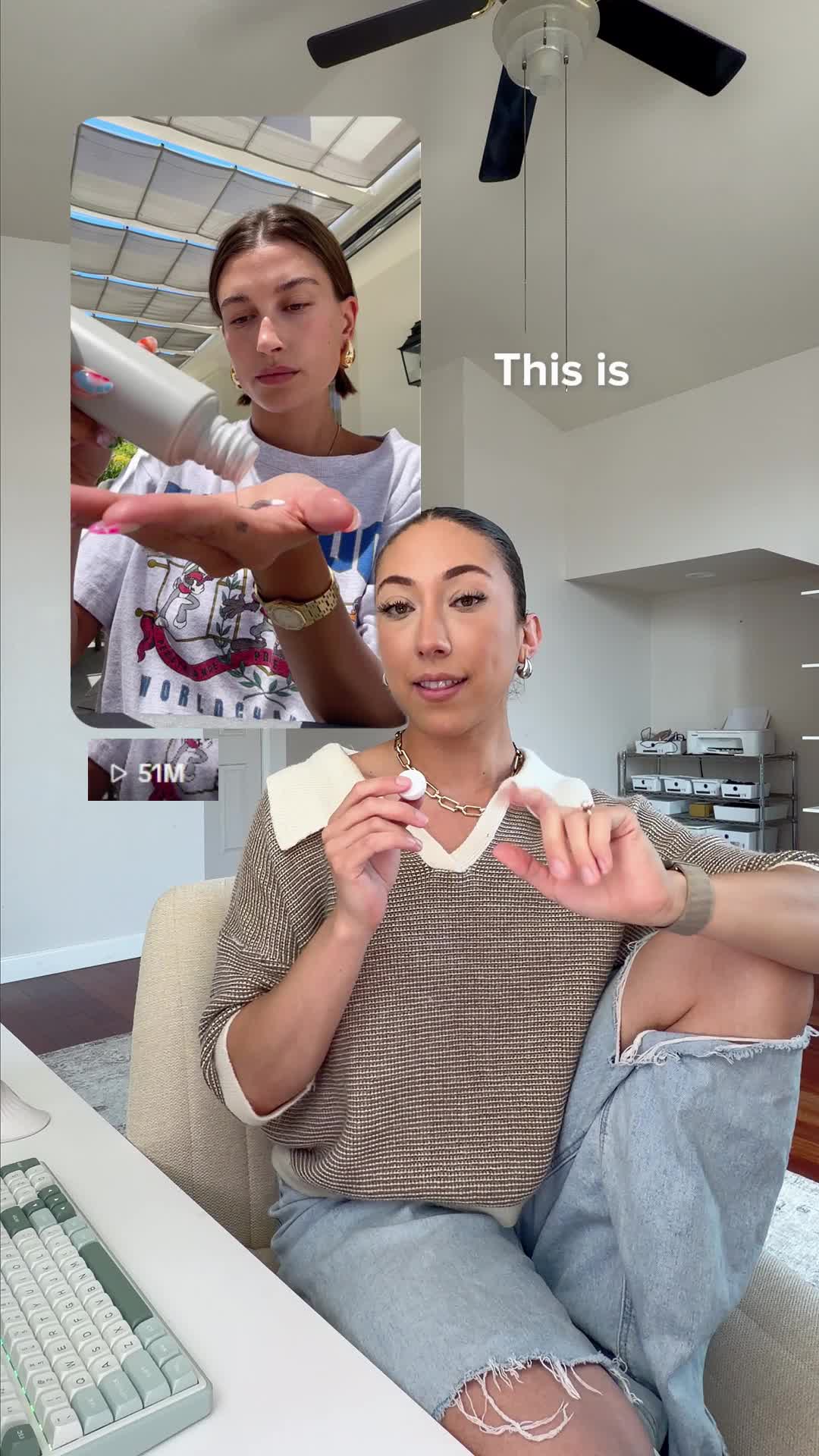
Videos analyzing public figures like Paris Hilton accumulated millions of views not because audiences came for branding education, but because the story felt like gossip or biography first and a lesson second. This format smuggles strategic insight inside a story people would watch anyway, dramatically lowering the perceived barrier to entry. The lesson lands harder because viewers discover it rather than being taught it. Creators who can find a famous person whose career arc illustrates a branding principle they want to teach are essentially borrowing that celebrity's existing audience attention.
Systemic Villain Hooks Convert Frustration Into Shares
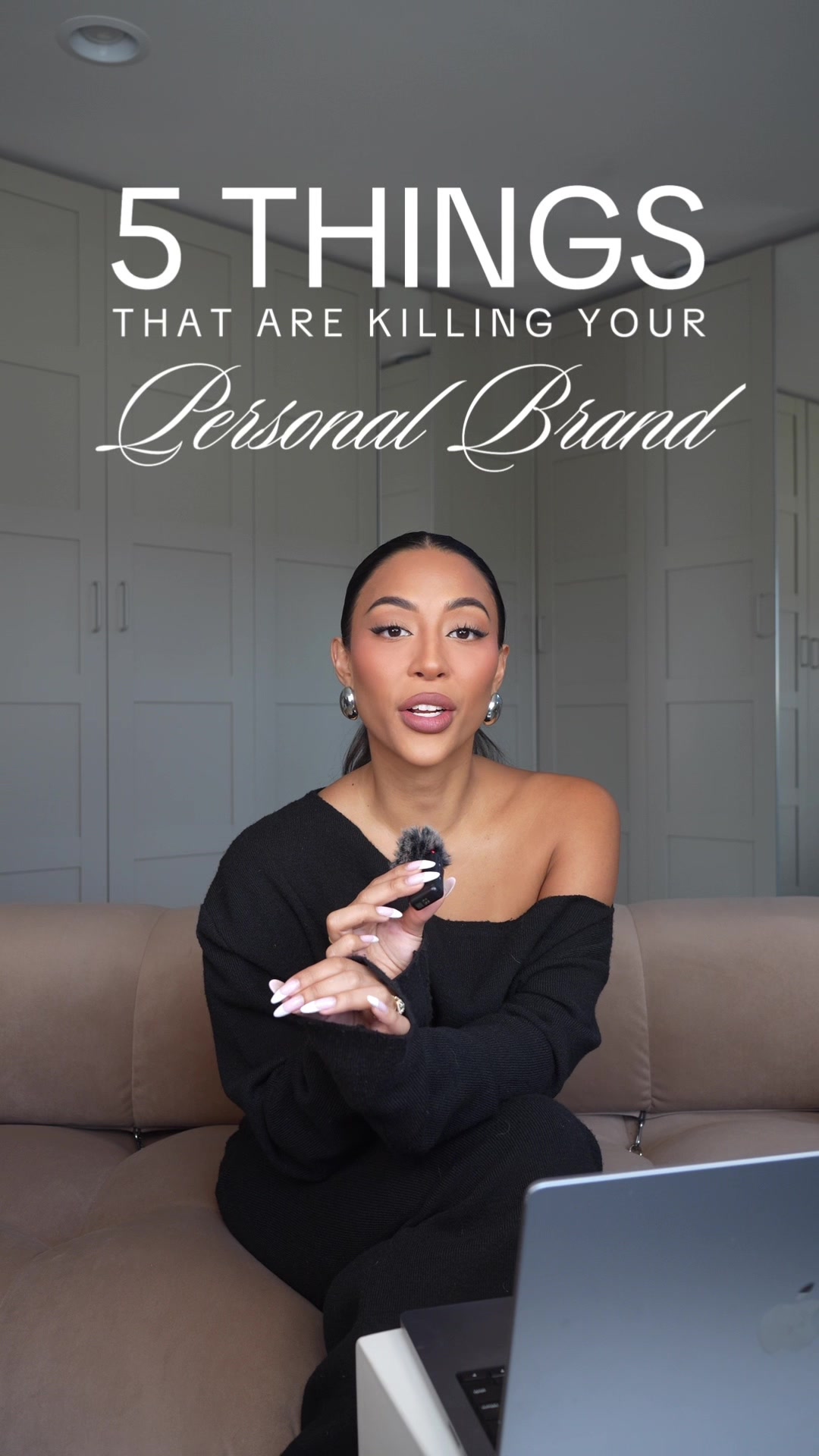
Several videos with strong outlier multiples opened by naming an external force, such as insecure leadership cultures or a broken industry, as the obstacle blocking the viewer's success. This structure is powerful because it validates the viewer's existing frustration before offering a solution, which builds rapid emotional trust. It also makes the content highly shareable because viewers tag colleagues, friends, or communities who they feel share the same frustration. The creator is positioned not as a teacher lecturing down but as a peer who has identified the same enemy and found a way around it.
Numbered Frameworks and Content Repurposing Formats Drive Saves and Rewatches
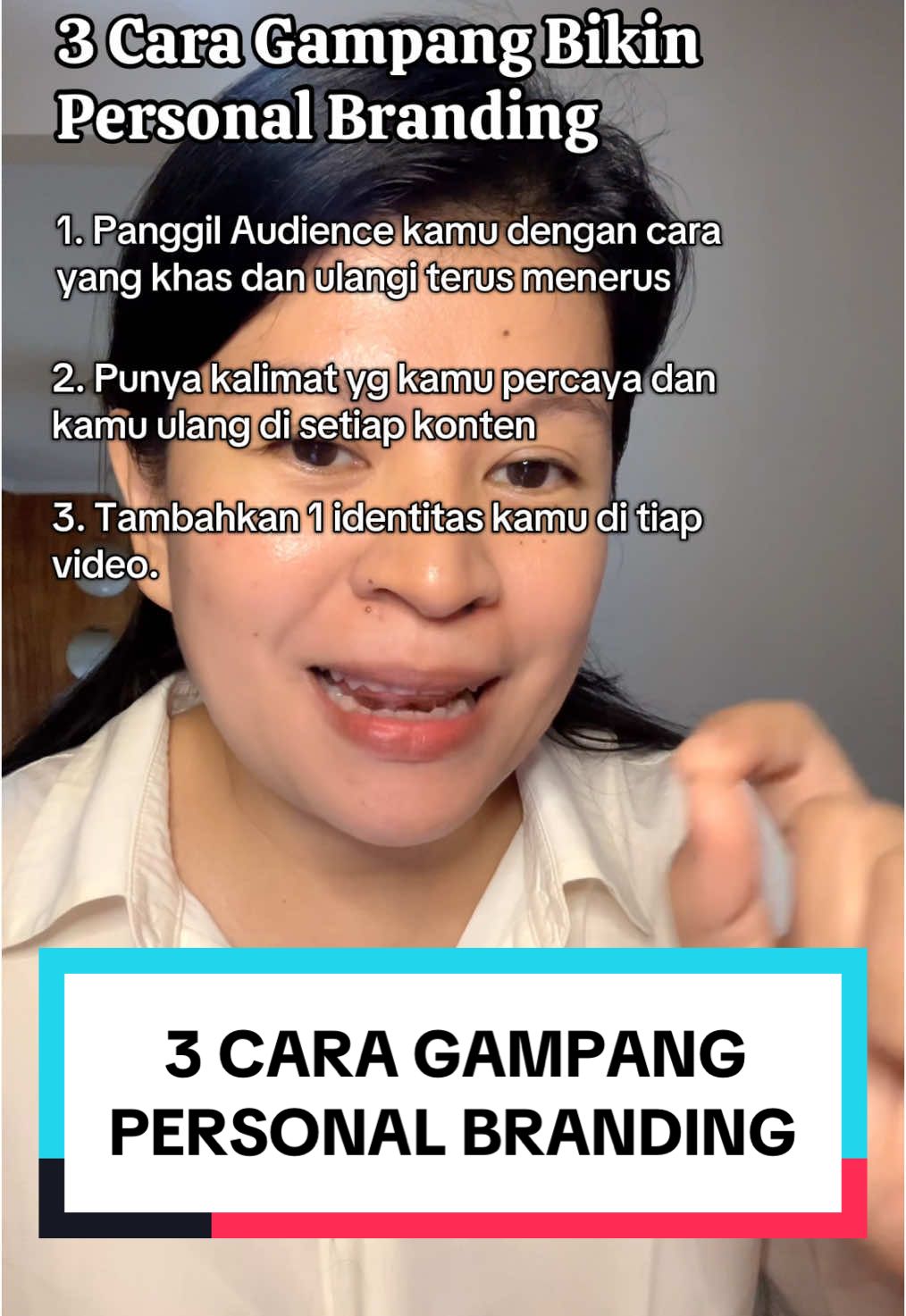
Tactical videos that broke a single concept into a numbered list, such as four steps, five tips, or nine content formats, consistently performed well even at lower view counts because they generate saves rather than just views, which signals long-term algorithmic value. The 'one thing turned into many' structure is especially effective in this niche because it solves a concrete creator pain point: not having enough content ideas. These videos work as reference material rather than one-time entertainment, meaning they accumulate engagement over a longer window than emotionally driven content.
Identity-Level Aspiration Outperforms Pure Strategy at Massive Scale
The videos that crossed five million views were not primarily educational. They were affirmational, speaking to a viewer's sense of self-worth, life design, and quiet dissatisfaction rather than their content calendar. Posts that invited viewers to imagine being obsessed with their own life, or addressed the feeling of being unseen, tapped into an emotional register that transcends niche and reaches a general audience. For personal branding creators, this reveals a counterintuitive ceiling-breaker: the widest reach comes not from branding tactics but from the human identity questions that branding tactics are ultimately trying to solve.
Analysis generated by Reelyze from 20 top-performing personal branding videos.