Skip to content
Reelyze
← All niches

Trending study tips videos

The top study tips short-form videos, ranked by how far they beat the niche norm. The flame badge shows how many times a video outperforms the median. Want to know WHY one worked? Analyze it frame-by-frame.

What Makes Study Tips Short-Form Videos Go Viral

Study tips is one of the most competitive niches on short-form video, yet a clear set of patterns separates breakout hits from average performers. The top videos win by combining high-stakes urgency, a credible or exotic frame of reference, and actionable structure that viewers feel compelled to save. Creators who treat their content as a practical deliverable rather than a vague motivational post consistently outperform the field.

Hook Style 1: Urgency and Time Pressure

The highest-outlier videos lean hard into exam season urgency, using language that signals the viewer is running out of time and this video is their last chance to course-correct. Phrases that frame advice as last-minute, essential, or newly discovered create a fear-of-missing-out pull that drives immediate watch-through. This works especially well when paired with a specific exam cohort callout, such as naming a particular grade level or exam system, because it makes a mass audience feel like the video was made specifically for them. The more precise the time pressure, the higher the perceived value of the content.

Hook Style 2: The Exotic or Borrowed Authority Frame

Several top performers borrow credibility from an external source rather than claiming personal expertise alone. Attributing a method to a specific nationality of students, a prestigious university, or a branch of science like neuroscience instantly elevates the perceived legitimacy of the advice. This works because viewers assume the system has been stress-tested at scale and is not just one person's opinion. The more specific and unfamiliar the source sounds, the more curiosity it generates in the first two seconds.

Format Winner: Numbered Lists with a Teased Payoff

Across the top-performing set, the numbered list format dominates, but the key differentiator is that the best videos do not reveal all items in the hook. They tease a system, promise a specific count of techniques, and then deliver each point with enough depth to feel genuinely instructive rather than surface-level. Videos that pair on-screen text callouts with a spoken walkthrough of each point hold attention longer because they engage two cognitive channels simultaneously. The save-worthy format is a strong signal to the algorithm, and numbered lists are among the most saved content types in this niche.

Structure Pattern: Reframe Then Prescribe

The most effective study tips videos open by dismantling a common but flawed belief, such as the idea that motivation is reliable or that more hours automatically means better results, and then immediately offer a concrete replacement system. This two-part structure of reframe then prescribe gives the viewer a reason to distrust their current approach before presenting the creator's method as the logical upgrade. Videos that skip the reframe and go straight to tips tend to perform closer to average, because they give the viewer no reason to feel their old strategy was wrong.

Topic Clusters That Consistently Overperform

Three topic clusters appear repeatedly among outliers: sleep and morning routine optimization, memory science and spaced repetition, and the psychology of becoming addicted to or consistent with studying. These topics win because they address the root cause of academic struggle rather than surface-level tactics, making viewers feel they are getting insider knowledge. AI tool integrations are also emerging as a high-curiosity angle, with videos framing AI as a secret weapon that others have not discovered yet. Habit comparison content, such as contrasting top students with average ones, also drives strong engagement because it activates social comparison and self-evaluation.

Analysis generated by Reelyze from 20 top-performing study tips videos.
Study Tips reels: frequently asked questions

What hooks work best for study tips videos on TikTok and Reels?

Urgency-driven hooks tied to a specific exam season or student group consistently outperform generic advice openers. Borrowed authority hooks that reference a prestigious institution or a cultural study system also generate strong curiosity in the first two seconds.

Should I use a list format or a storytelling format for study tips content?

Numbered list formats with a clearly stated count in the hook tend to win in this niche because they set a completion expectation that keeps viewers watching. Storytelling works best when it leads with a relatable failure before delivering a system-based solution.

How do I make my study tips videos more saveable?

Frame your content as a reference tool rather than a one-time watch by including specific, sequenced steps and on-screen text that summarizes each point. Telling viewers explicitly to save the video at the start or end also measurably increases save rates.

What study topics get the most views right now?

Sleep and morning routine science, memory techniques rooted in neuroscience or foreign student systems, and the psychology of building consistent study habits are the three highest-performing topic clusters. AI-assisted studying is a fast-growing outlier angle with strong novelty pull.

How long should a study tips short-form video be?

Top performers in this niche tend to be long enough to deliver three to five substantive points but short enough that each point feels punchy, typically in the 45-to-90-second range. Videos that overexplain a single tip lose retention, while videos that cram in too many shallow tips lose perceived value.

Top study tips videos right now

34xHow many times more views this video got than the typical (median) video for this search. Higher means a bigger outlier.

#gcses2023 #alevels2023 #exams2023 #examseason #exams #studytok #study #studyhacks #schooltok #revisiontok #learnontiktok #student #studytips #alevels #gcses #year11 #year13

@alevelhelp.32

5.1M609.7K
21xHow many times more views this video got than the typical (median) video for this search. Higher means a bigger outlier.

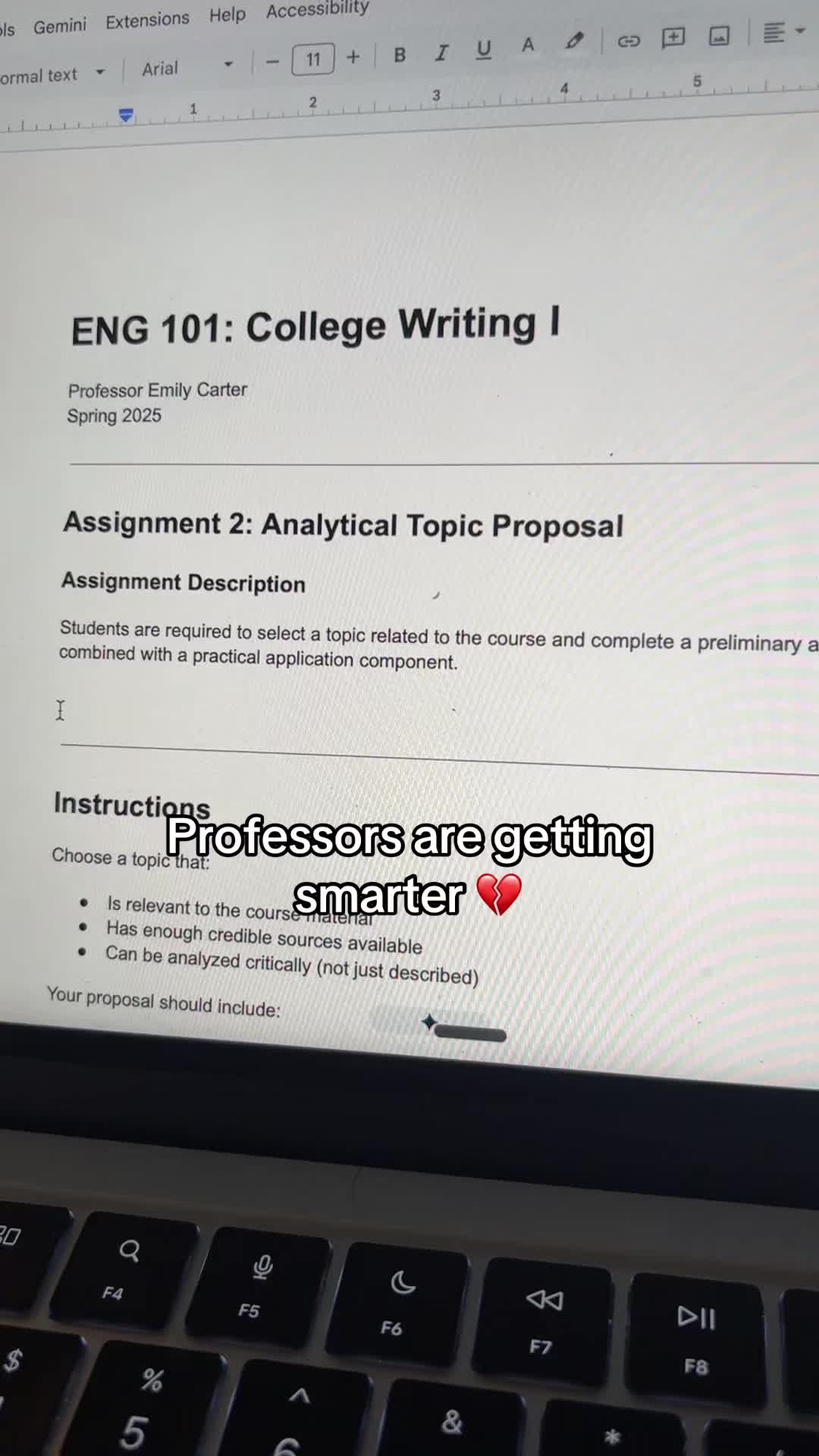
HOW DID THEY FIND OUT ABOUT ESSAYTONE #studytips #studyhacks #chatgpt #studytok #college

@essaywithtay

3.2M91.8K
11xHow many times more views this video got than the typical (median) video for this search. Higher means a bigger outlier.

last minute study tips for exam week! this will only work if you lock innnnnnn!!! #studytok #studytips #studyhacks #examtips #examweek

@studywithlizzz

1.7M301.8K
8.0xHow many times more views this video got than the typical (median) video for this search. Higher means a bigger outlier.

Motivation to study and some studytips. #fyp #studytok #studymotivation #student #exam @Studley AI

@studywithmadz1

1.2M258.3K
5.5xHow many times more views this video got than the typical (median) video for this search. Higher means a bigger outlier.

save this for later >>> 3 study techniques you should know to learn smarter and more effectively ⸻ 1️⃣ Spaced Repetition: reviewing the same topic at intervals over time helps reduce forgetting and strengthens your memory of new information. in simple terms, go back to the material right when you’re about to forget it, so you reinforce it again. this helps move information from short-term memory into long-term memory. ⸻ 2️⃣ 5 Minute Rule: for procrastinators like me, we often find reasons to delay important tasks. “i’ll do it later” “i’ll start later” — and over time, we get used to not starting at all. set a 5-minute timer and force yourself to begin. just work on it for five minutes. after that, if you feel like continuing, keep going until you don’t want to anymore. this helps you overcome the resistance of getting started. ⸻ 3️⃣ Second Brain: this means using external tools to store and organize your information, ideas, and tasks, instead of keeping everything in your head. it clears your mental space and improves productivity. ⸻ follow for more ✨ have a nice day 🤍 #study #uni #studytips #school

@studyroomwithc

834.5K97.4K
5.4xHow many times more views this video got than the typical (median) video for this search. Higher means a bigger outlier.

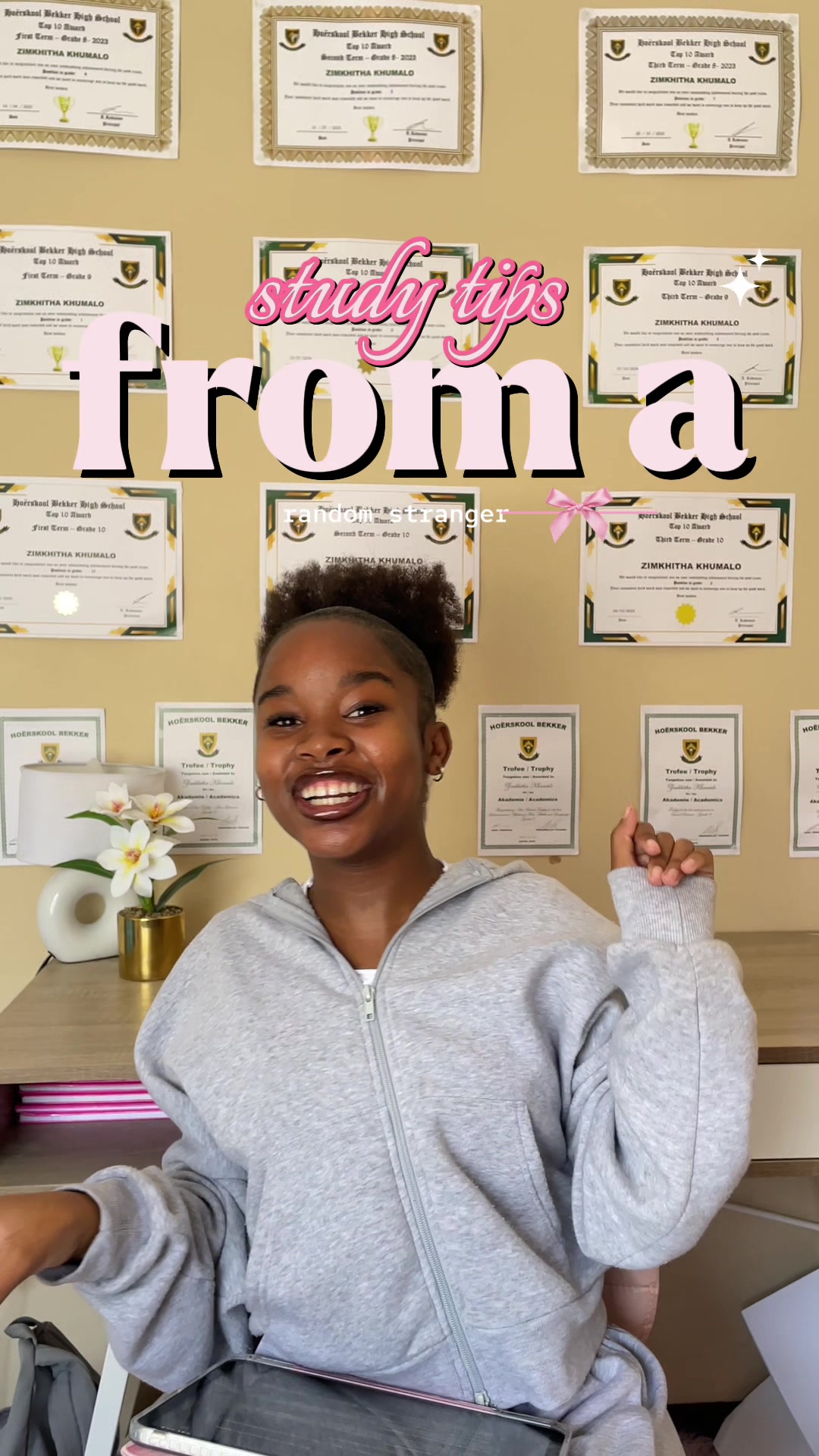
exam season is upon us so i came to deliver💕 #studytok #study #exam #fypp #foryou

@zimkhitha_.khumalo

808.2K137.1K
4.8xHow many times more views this video got than the typical (median) video for this search. Higher means a bigger outlier.

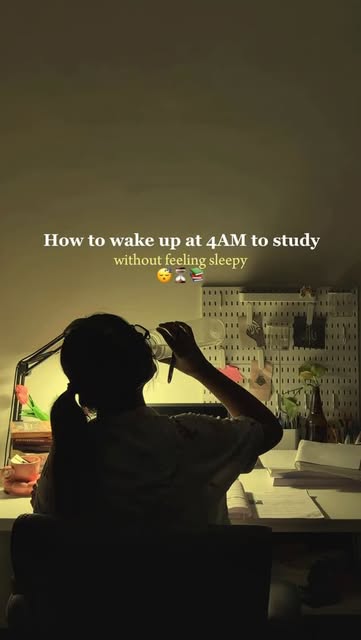
Your morning depends on your night. Mess this up — and your mornings won’t work. 🌙 The night before Sleep by 10:30–11 PM (6–7 hours minimum). No reels or shorts after 9:30 PM. Keep dinner light. Before bed, prep your books, notes, water — reduce morning friction. ⏰ 4:00 AM — wake up smart Don’t scroll. Don’t negotiate. Put your alarm away from the bed so you have to stand up. Cold water on your face, brush, rinse your eyes. Tell yourself: “Just start for 10 minutes.” ⚡ Activate your brain (5 min) Drink a full glass of water (lemon optional 🍋). No caffeine for 30–40 minutes. If you drink coffee, follow the rule: • only after one study session • never on an empty stomach • one cup max 🪑 Study setup matters Chair + desk only (never the bed). Bright light on, fresh air if possible, cool room = alert brain. 📚 What to study at 4 AM This is NOT the time for passive videos. Focus on: • formula & concept revision • weak topics • PYQs • exam review material 👉 I usually let Oreate AI auto-generate my notes, flashcards, and quick quizzes while the lecture is happening — so at 4 AM I’m revising, not wasting time organizing. 💪 Anti-sleep tricks Feeling sleepy? Don’t quit. • stand and read out loud • splash cold water • 10 push-ups / jumping jacks Momentum > motivation. ✨ Remember 4–7 AM > 10 PM–1 AM Less distraction. Sharper focus. Better retention. Save this and try it once. Consistency beats motivation — every time. . . . @upscwithira . . . . . . . . . . #upsc #trendingreels #studyroutine #studytips #fypppppppppppppppppppppppppppppppppppppppppppppppppppppppppppppppppppppp timemanagementtips tips strategy explore explorepage studygram reelitfeelit viral viralvideos New year, 2026, studyplan, exam, plan

@upscwithira

12.7M380.2K
3.8xHow many times more views this video got than the typical (median) video for this search. Higher means a bigger outlier.

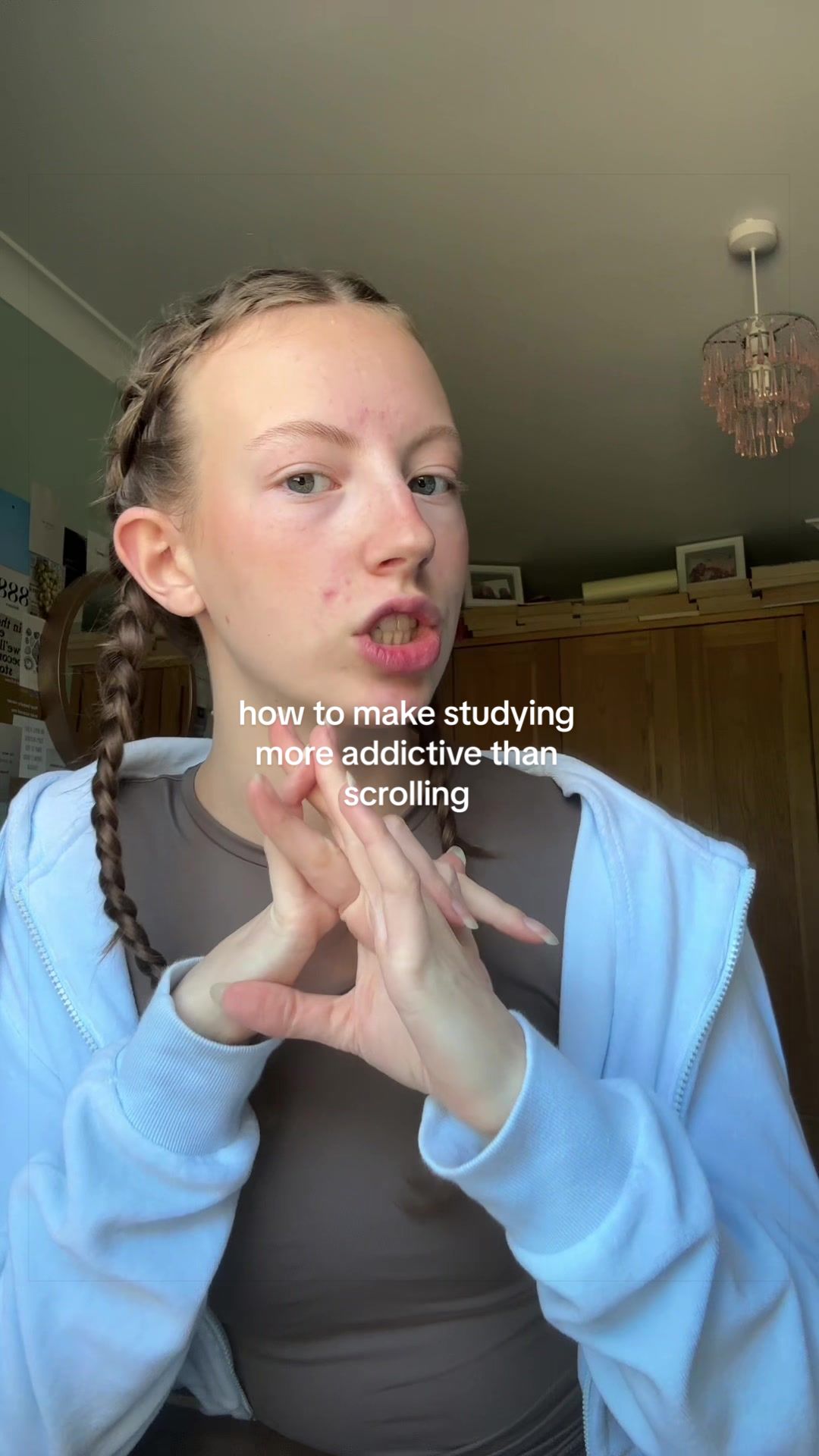
how to become addicted to studying #aleveladvice #howtostudy #howtostopscrolling #studytok #studyadvice

@amelie_rhea_niamh

569.2K112.2K
3.7xHow many times more views this video got than the typical (median) video for this search. Higher means a bigger outlier.

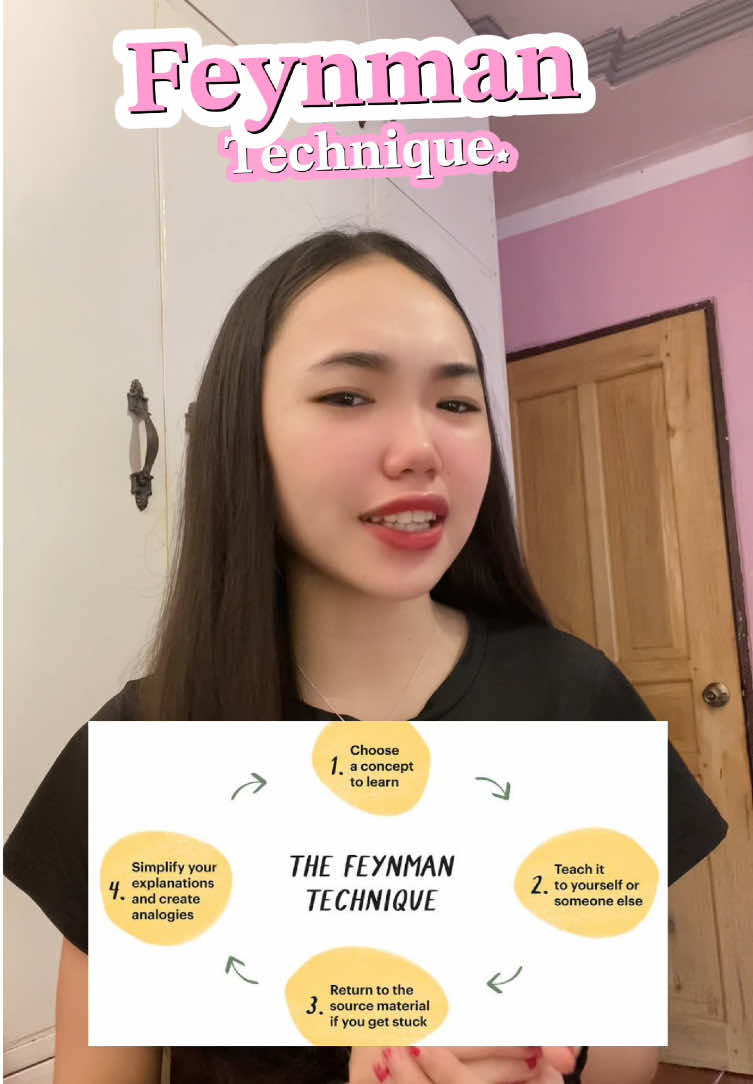
The long wait is overrr! Here are the study tips and techniques that I promised to share with you guys! I really took time to explain everything clearly, and I hope you’ll learn something from this video that can help you in your academic journey too 🥹 Academic comeback starts now. Good luck, lovesss! 🤍 #studytips #studytechniques

@_ingridentity

552.8K85.0K
3.3xHow many times more views this video got than the typical (median) video for this search. Higher means a bigger outlier.

Honestly I should’ve paid more #research #thesis #college #academiccomeback #studytips

@the_cosmic_kat

496.9K14.8K
3.0xHow many times more views this video got than the typical (median) video for this search. Higher means a bigger outlier.

What “studying like Chinese students” really means is: 👉 training your brain to remember almost everything that matters Here’s the exact system behind it 👇 1. Stop reading… start recalling Most students read 5 times and forget. Top students: • Read once • Close the book • Force their brain to remember Do this: • After every topic, ask: “What did I just learn?” • Write it down without looking • Check what you missed 👉 This single habit changes everything. 2. Repeat before you forget (Spaced Repetition) Memory fades fast if you don’t revisit. Use this pattern: • Same day → quick review • Next day → review • 3 days later → review • 1 week later → review 👉 This is how information moves to long-term memory. 3. Practice like it’s an exam (not like a reader) High-performing students don’t just “understand”—they practice output. Do: • Past questions • Self-testing • Timed practice 👉 If you can produce answers, you own the knowledge. 4. Study in focused blocks Not “I’ll read all day.” Instead: • 45 mins deep focus • 10 mins break • Repeat 👉 Your brain works better with pressure + breaks. 5. Remove distractions completely Not “reduce”—remove. • Phone far away • No social media during study • Quiet environment 👉 Focus is a skill. Train it daily. 6. When tired, SWITCH strategy (don’t quit) You won’t always have energy. When tired: • Revise instead of learning new topics • Use flashcards • Teach out loud • Watch + summarize 👉 Rule: Never skip—just adjust. 7. Write to remember Many top students: • Rewrite notes • Summarize in their own words • Teach imaginary students 👉 Writing forces deep understanding. 8. Consistency > Motivation The real “secret” isn’t intelligence. It’s: • Studying even when you don’t feel like it • Showing up daily • Building discipline 👉 That’s what separates average from top students. Simple Routine You Can Copy • 3–4 focused sessions daily • Active recall after each • Daily revision • Weekly full revision Final Mindset You don’t need to be smarter. You need to: • Recall more • Repeat more • Quit less Do this consistently and you’ll start remembering things effortlessly. #studymotivation #students #studytok #studytips #studysmart

@becoming.isaac

448.9K48.1K
2.8xHow many times more views this video got than the typical (median) video for this search. Higher means a bigger outlier.

Your morning depends on your night. Mess this up — and your mornings won’t work. 🌙 The night before Sleep by 10:30–11 PM (6–7 hours minimum). No reels or shorts after 9:30 PM. Keep dinner light. Before bed, prep your books, notes, water — reduce morning friction. ⏰ 4:00 AM — wake up smart Don’t scroll. Don’t negotiate. Put your alarm away from the bed so you have to stand up. Cold water on your face, brush, rinse your eyes. Tell yourself: “Just start for 10 minutes.” ⚡ Activate your brain (5 min) Drink a full glass of water (lemon optional 🍋). No caffeine for 30–40 minutes. If you drink coffee, follow the rule: • only after one study session • never on an empty stomach • one cup max 🪑 Study setup matters Chair + desk only (never the bed). Bright light on, fresh air if possible, cool room = alert brain. 📚 What to study at 4 AM This is NOT the time for passive videos. Focus on: • formula & concept revision • weak topics • PYQs • exam review material 👉 I usually let Oreate AI auto-generate my notes, flashcards, and quick quizzes while the lecture is happening — so at 4 AM I’m revising, not wasting time organizing. 💪 Anti-sleep tricks Feeling sleepy? Don’t quit. • stand and read out loud • splash cold water • 10 push-ups / jumping jacks Momentum > motivation. ✨ Remember 4–7 AM > 10 PM–1 AM Less distraction. Sharper focus. Better retention. Save this and try it once. Consistency beats motivation — every time. . . . @upscwithira . . . . . . . . . . #upsc #trendingreels #studyroutine #studytips #fypppppppppppppppppppppppppppppppppppppppppppppppppppppppppppppppppppppp timemanagementtips tips strategy explore explorepage studygram reelitfeelit viral viralvideos New year, 2026, studyplan, exam, plan

@upscwithira

7.5M248.9K
1.9xHow many times more views this video got than the typical (median) video for this search. Higher means a bigger outlier.

🌞1. Study at the Right Time • Study early morning (4:30–7:00 AM) – brain is fresh. • Avoid heavy study right after lunch. • Don’t study lying on bed. ⸻ 💡 2. Sit in a Proper Position • Sit on a chair and table • Keep your back straight • Use a bright light • Keep books at eye level 👉 Studying on bed = instant sleep mode 😴 ⸻ 💧 3. Wash Face / Drink Water • Wash face with cold water • Keep a water bottle near you • Sip water frequently • Lemon water helps refresh ⸻ ☕ 4. Smart Use of Drinks • Tea or coffee (not too much) • Avoid heavy sugary drinks • Don’t drink caffeine at night (disturbs sleep cycle) ⸻ ⏰ 5. Use the 25-5 Rule (Pomodoro) • Study 25 minutes • Break 5 minutes • Walk, stretch, breathe fresh air • Repeat This prevents mental tiredness. ⸻ 🏃 6. Do 2-Minute Physical Boost • 20 jumping jacks • Fast walking in room • Stretch hands and neck • Deep breathing (5 times) Body movement = brain activation ⚡ ⸻ 🍽 7. Eat Light Food Avoid: • Heavy rice meals • Oily food • Overeating Prefer: • Fruits • Nuts • Light snacks ⸻ 😴 8. Sleep Properly at Night Very important! • Sleep 6–8 hours • Don’t study whole night daily • Power nap 20 minutes if needed (not 2 hours) Lack of sleep = more sleep while studying. ⸻ 🎯 9. Make Study Active Instead of only reading: • Write notes • Teach imaginary student • Solve questions • Use highlighter • Speak aloud Active study = less sleep. ⸻ 🔥 Emergency Trick (If Very Sleepy) • Stand and study • Read loudly • Change subject • Study difficult topic first #StudyTips #DeepWork #StudentLife #BeatSleep #ExamPreparation how to stay awake while studying, avoid sleep during exams, study motivation, concentration tips, late night study, morning study routine, how to focus on studies, prevent drowsiness, active learning, study hacks for students, productive study sessions, alertness during study, stay hydrated, caffeine for studying, short breaks, pomodoro technique, study environment, lighting for study, healthy snacks for students, avoid heavy meals, sit upright, cold water splash, power nap, bright light therapy, loud reading, writing while learning, flashcards,

@studywithaffu

5.0M-1
1.9xHow many times more views this video got than the typical (median) video for this search. Higher means a bigger outlier.

how I study long hours without relying on motivation Let’s be honest for a second: motivation is unreliable. What actually works is a system you can follow even on low-energy days. If I could go back to my first year of university, this is exactly how I’d study. ⸻ 1. Three rules that changed everything 1) Doing beats consuming Most of my study time goes into: • solving problems • recalling from memory • writing things out Not rereading notes just to feel productive. 2) One subject at a time Multitasking feels efficient, but context-switching quietly drains focus. Depth > speed. 3) Remove distractions at the source I don’t try to “resist” my phone. I make it physically unavailable. ⸻ 2. A system built for low-discipline days (the “LAZY” setup) I don’t depend on willpower. I design my environment so starting is easy. L — Lower the friction • Clean the desk the night before • Open notes to the exact page • Sit down and start, no decisions needed A — Active recall first • Try to remember or solve before checking notes • Then fill in the gaps This builds confidence and retention at the same time. Z — Zero notifications • Phone in another room • Timer on laptop only • Nothing else needs my attention right now Y — Yes to rest • Short walks • Stretching • Real food • Enough sleep Rest isn’t laziness — it’s part of the system. ⸻ 3. A realistic long-study schedule (example) 08:00–08:15 — warm-up & setup 08:15–10:45 — focused session (topic 1) 10:45–11:15 — walk + snack 11:15–13:15 — focused session (topic 2) 13:15–14:00 — lunch & reset 14:00–16:00 — practice / problem-solving 16:00–16:30 — break 16:30–18:30 — review / weaker areas Evening — light work + shutdown routine ⸻ 4. Small things that help more than you think • Pomodoro timing • Water bottle on desk • Instrumental or classical music • 7–8 hours of sleep (non-negotiable) ⸻ If you struggle with starting, focusing, or forgetting things right after studying — you’re not broken. You probably just need a better system. When’s your next exam? #study #school #uni #student #studytok

@studyroomwithc

280.3K25.1K
1.6xHow many times more views this video got than the typical (median) video for this search. Higher means a bigger outlier.

the habits that set apart straight A students and average students! do you do any of these? (not accurate for everyone) #studytok #studytips #studyhacks #examweek #examtips

@studywithlizzz

246.4K41.8K

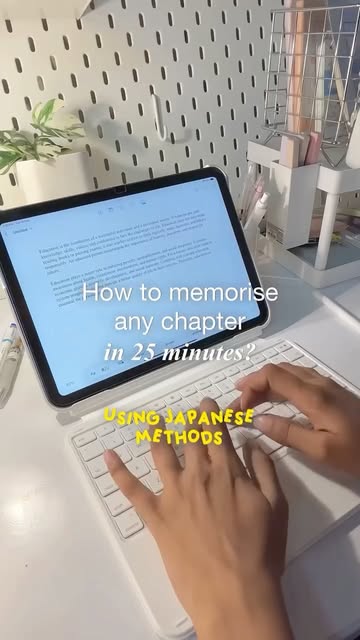
🇯🇵 The “5 Objects Memory Method” (25 Minutes) Japanese students often use visual anchors + physical movement to lock memory. You’ll need: • 📘 Book • 🖊 Pen • 📄 Blank paper • ⏱ Timer • 🕯 Any small object (candle / clip / coin) ⏱ 0–5 min → Object Mapping Place 5 objects on your table. Assign each object to one main heading of the chapter. Example: • Book = Definition • Pen = Diagram • Paper = Formula • Timer = Dates • Candle = Examples Now quickly scan the chapter and mentally connect each heading to its object. Your brain remembers location + object + idea. ⏱ 5–12 min → Write & Touch Method Read first section. After reading: • Touch the object assigned to that section • Say the key point out loud • Write 3 bullet points without looking Physical movement = stronger neural connection. ⏱ 12–18 min → Memory Rotation Close the book. Now rotate objects clockwise. For each object: • Pick it up • Recall everything linked to it • Speak it confidently If stuck → open book for 30 seconds only. ⏱ 18–23 min → Stand & Teach Stand up. Hold one object at a time and teach it like: “This object represents…” Teaching + movement = long-term memory storage. ⏱ 23–25 min → 60-Second Rapid Test Put all objects back randomly. Now try recalling headings in correct order. If you can do it without looking — it’s memorised. #studytips #studyhard #studyblr #studyhard #explorepage✨

@_cansuv

3.9M-1

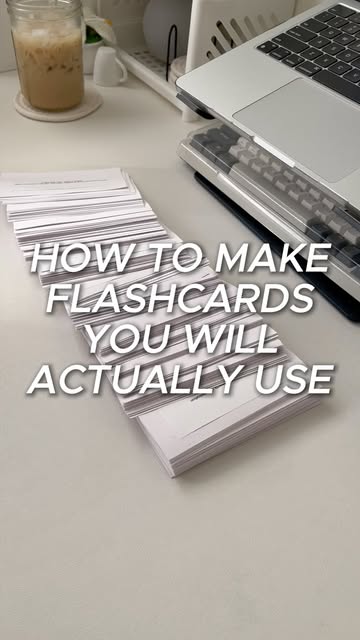
how to make flashcards! in time for exam season :) #studygram #studytips #flashcards #examweek #examtips

@studywithlizzz_

3.7M306.3K

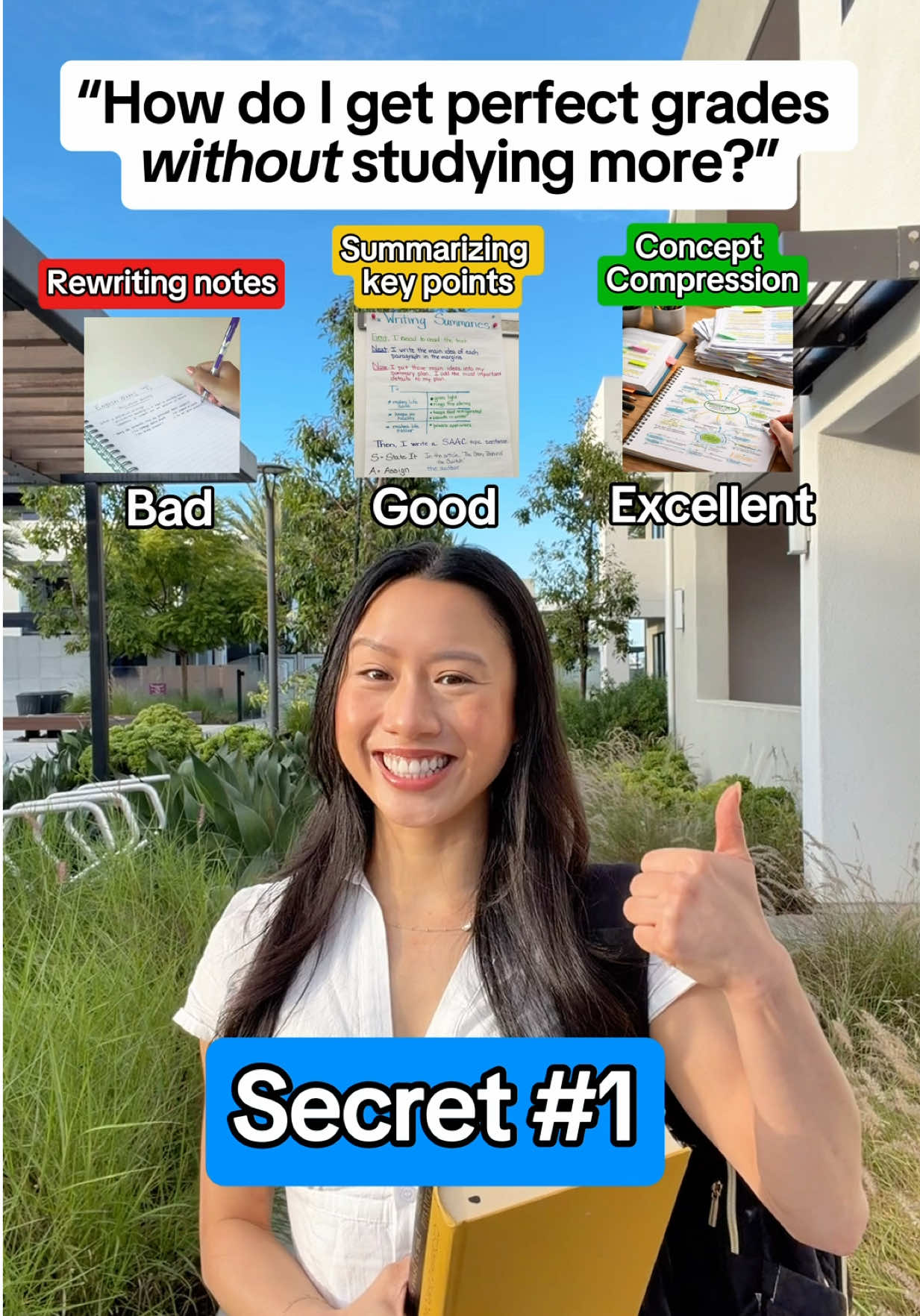
If you’re putting in the hours and still forgetting everything, your study system is the problem 😬 Here’s 4 study techniques I use as a Harvard student: 1️⃣Concept Compression: After learning a topic, force yourself to explain it in 3 sentences or one diagram with no notes to reveal what you actually understand. 2️⃣Adaptive Recall Cycling: Study by closing your notes every 10–20 minutes and retesting the same concepts across multiple days instead of cramming once. 3️⃣Metacognitive Reading: While reading, regularly stop and ask “Could I teach this right now?” and reread only when the answer is no. 4️⃣Minimum Viable Start: When you feel stuck, start with the first 2-minute task so momentum replaces procrastination. Let’s ace our classes together in 2026! 🙌📚 #ultimateivyleagueguide #ultimatementor #uilg

@elisempham

207.1K15.2K

Use neuroscience to study smarter, not harder. #TikTokLearningCampaign #EduTok #neuroscience #tips #study

@doctor.bing

184.2K23.2K

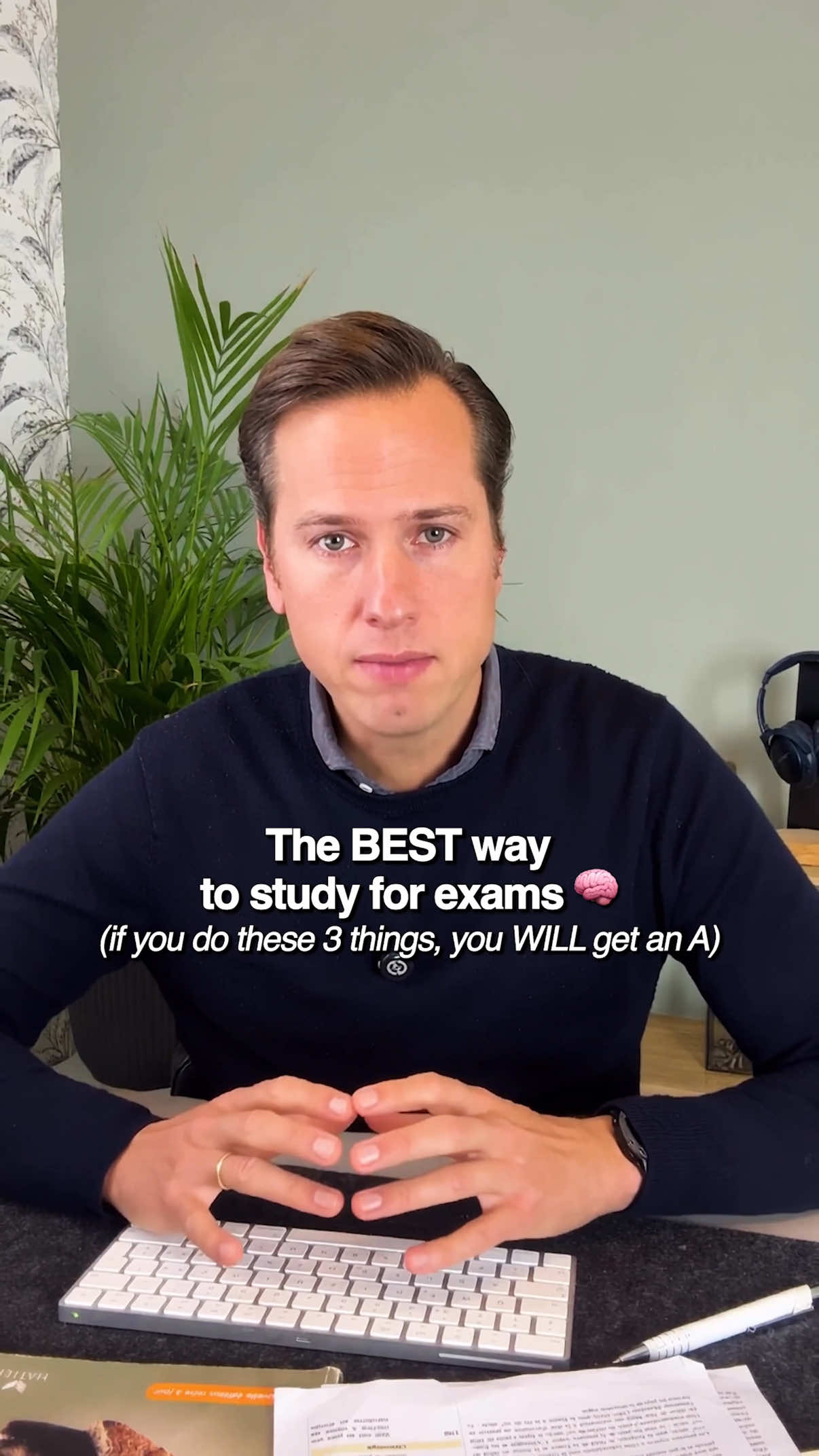
Three things that guarantee you an A on exams 🔥 Stop overcomplicating it. Test yourself from memory. Review what's fading every few days. Take a full practice exam before the real one. That's it. StudySmart.ai does all three: flashcards, retention scores, AI feedback, practice tests 💯 Try StudySmart.ai risk-free. #studytok #studyhacks #examprep #studytips #studentlife

@christiaanhenny

174.4K10.5K

Make your brain 500 times faster when you study. This 3-step routine primes your brain, snaps your focus on and locks in what you learn. Save this reel and follow Nocturnal for more psychology you can actually use. #studytips #studyhack #brainhacks #productivity #reelsviral

@nocturnal_psyche

2.9M218.3K

doing it scared. doing it anyway. • • • #relatable #explorepage #motivation #study #studytips

@yyolandasdiary

2.4M273.0K

You are not lazy. You are not unmotivated. You are a human being with a brain that runs on biology and once you work with that biology instead of against it, everything changes. 👇 Here’s how to actually do it 1️⃣ THE 10 MINUTE REBOOT BEFORE YOU OPEN A SINGLE BOOK: Lie down flat. No phone. No music. Just stillness for 10 minutes. 👉 Research shows even 10 minutes of complete stillness measurably restores alertness. NASA’s own nap studies back this up. 2️⃣ DROP THE TEMPERATURE: Splash cold water on your face. Instant nervous system reset. 👉 Shifts your brain from foggy → alert in under 60 seconds. 3️⃣ START WITH YOUR EASIEST TASK: When you’re tired, don’t open the hardest chapter. Spend the first 10 minutes on a concept you already know. 👉 This activates your “task positive network” and makes it significantly easier to move into harder material. 4️⃣ STUDY IN 25 MIN BLOCKS WITH NON-NEGOTIABLE 5 MIN BREAKS: A tired brain cannot sustain long sessions. It physically cannot. But it CAN sustain short, focused bursts. 👉 Short focused bursts beat 3 hours of half present studying every time. 5️⃣ RECALL DON’T RE-READ: Close the page. Write what you remember. 👉 This forces engagement even when your brain wants to quit. You don’t need more energy. You need a smarter system. 💬 Comment “SYSTEM” and I’ll send you my FREE Academic Success Guide! Built specifically for students who are exhausted but refuse to give up. 🤍 Follow @studysystems.laiba for science backed study systems! 🧷 Save this! . . . #studytips #studymotivation #studentlife #studyhacks #studysystems

@studysystems.laiba

2.3M52.9K

best apps for your academic comeback 👀 #college #studygram #studytips #studyhacks #study

@salem_notes

2.3M53.9K

Want to know why these work?

Reelyze watches any of these videos frame-by-frame and tells you the exact second viewers drop off and what to copy. Your first analysis is free.

Analyze a reel free